
When it comes to creating a space that breathes tranquility and aesthetic charm, Outdoor Garden Features play a crucial role in turning ordinary corners into mesmerizing escapes. Water, in particular, has an innate power to transform the feel of any garden. Its sound, movement, and reflection bring an element of life and serenity unmatched by any other design addition.
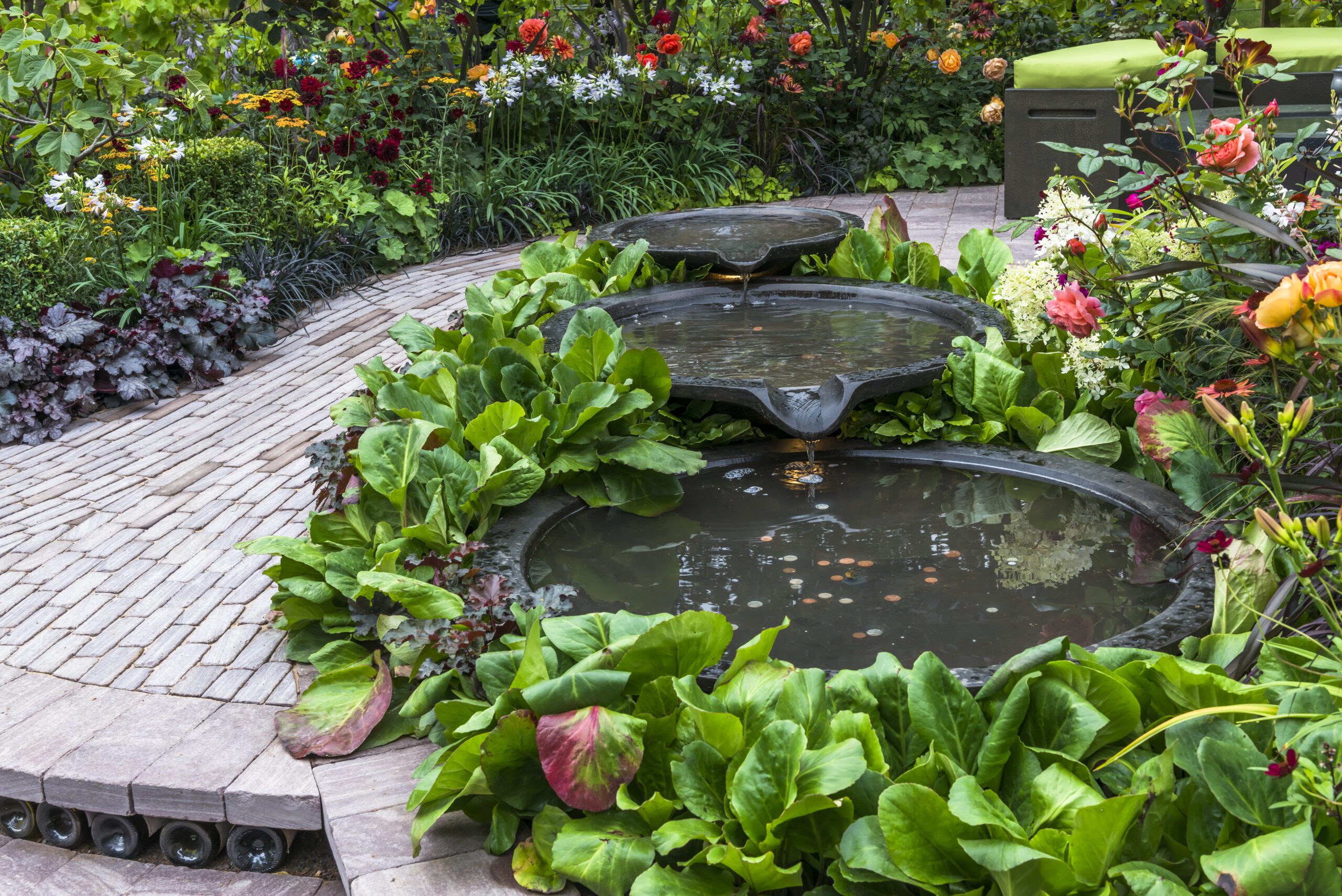
The Power of Water in Outdoor Spaces
Water is a timeless symbol of calm and renewal. Incorporating it into garden design offers both sensory and visual pleasure. The gentle sound of trickling water can mask nearby noise, creating a soothing atmosphere perfect for relaxation. Beyond its auditory charm, water introduces dynamic motion, reflecting sunlight by day and garden lights by night, amplifying depth and character.
For those seeking a personalized touch, garden water elements can be customized to fit different themes. Whether modern, rustic, or tropical, the presence of water enhances every design concept, adding a natural rhythm that connects the garden with the elements.
Choosing the Right Type of Water Feature
The right feature depends on space, budget, and aesthetic goals. Each type offers a unique personality to your garden.
Fountains
A fountain instantly becomes the focal point of any outdoor setting. From classic stone fountains that evoke European charm to sleek stainless steel structures for a contemporary vibe, they cater to various tastes. Compact solar-powered fountains suit small gardens, offering elegance without heavy maintenance.
Ponds
Ponds bring a more natural essence, creating an ecosystem where plants and fish coexist. They can vary in scale, from small corner ponds to expansive koi habitats. Edge planting with aquatic species like lilies and rushes enhances the visual softness of the structure, blending water and greenery effortlessly.
Cascades and Waterfalls
For a more dramatic impact, waterfalls and cascades deliver a visual spectacle. They’re perfect for sloped areas or retaining walls. The continuous flow symbolizes vitality, while the sound adds therapeutic calmness. Pairing them with natural stones creates a seamless integration with the surrounding landscape.
Birdbaths
For small spaces, a birdbath adds both charm and function. It attracts wildlife, encouraging birds to visit, which brings movement and melody. The simple addition of a birdbath makes even the smallest garden feel alive.
Integrating Water Features with Garden Design
Water elements should feel organic within the garden’s flow. They must complement the layout, not dominate it. Strategic placement helps maintain harmony and balance.
Positioning water elements in areas that receive both sunlight and partial shade ensures they thrive visually and functionally. Surrounding the feature with layered plants of varying heights softens the overall structure. Use ferns, ornamental grasses, or hostas to create a lush perimeter.
Lighting also plays a key role. Subtle underwater or spotlight illumination can highlight textures and ripples after sunset, making the space enchanting even at night. The goal is to create a visual journey that invites people to explore and unwind.
Sustainable Water Feature Options
Eco-conscious designs are gaining traction, emphasizing sustainability and efficiency. Solar-powered pumps eliminate the need for external electricity, reducing both environmental impact and running costs.
Rainwater harvesting systems are another smart choice. They collect natural rainfall and redirect it to refill ponds or fountains, conserving water. Using recycled materials for basins or decorative accents also aligns the design with eco-friendly principles without sacrificing aesthetics.
Enhancing Ambiance with Sound and Texture
Sound is a defining element in water feature design. The trickle of a small fountain conveys peace, while a gushing cascade creates a sense of energy. Choosing the right sound level depends on the mood you want to establish. A relaxing corner near seating areas might benefit from gentle trickling, while louder cascades fit open lawns or larger gardens.
Textures also elevate visual interest. Combining materials like stone, glass, and metal creates contrast and sophistication. Polished marble exudes luxury, while rugged rock brings rustic authenticity.
Blending Modern and Traditional Aesthetics
Outdoor water features now bridge traditional craftsmanship with modern minimalism. Classic tiered fountains remain timeless, but modern geometric shapes and sleek finishes dominate current trends. Minimalist bowls, floating orbs, and mirrored water surfaces give a futuristic edge, perfectly suited for contemporary homes.
For a traditional approach, sculpted stonework, terracotta basins, and ceramic urns introduce cultural charm. The fusion of both worlds allows homeowners to express individuality while maintaining timeless appeal.
Seasonal Care and Maintenance
Keeping water features pristine requires consistent care. Algae buildup, debris, and stagnant water can diminish their beauty. Regular cleaning ensures water clarity and prevents clogging of pumps and filters.
During warmer months, evaporation rates rise, so refilling is necessary to maintain proper levels. Adding natural enzymes or pond-safe cleaners helps balance the ecosystem.
In colder climates, it’s vital to prepare for freezing conditions. Disconnect and store pumps indoors to prevent cracking. If left outdoors, ensure the basin is drained to avoid ice damage.
Routine inspections, even for small features, prevent long-term damage and ensure continuous operation.
Plant Pairings to Complement Water Elements
Plants play a crucial role in completing the look. Marginal plants such as irises, cattails, and pickerelweed thrive near water edges. They not only enhance beauty but also help filter and oxygenate the water naturally.
Floating plants like water lilies provide shade and reduce algae growth, while surrounding groundcovers add lushness. In tropical themes, palms and elephant ears frame the feature dramatically.
Color contrast also matters. Combining deep green foliage with bright blossoms brings vibrancy. Mixing textures—broad leaves with fine grasses—creates depth and balance.
Creating Multi-Sensory Experiences
A well-designed water feature appeals to more than just sight. It engages sound, touch, and even scent when paired with aromatic flora. Placing fragrant herbs like lavender, mint, or jasmine nearby amplifies relaxation. The combination of scent and sound fosters mindfulness and connection to nature.
Seating areas near water features enhance the sensory experience further. A cozy bench, hammock, or low lounge chair allows one to unwind and listen. Adding smooth stones or wooden decking completes the tactile appeal, blending nature and comfort seamlessly.
The Role of Lighting and Reflection
Light transforms water into a living art piece. Positioning soft LED lighting under or around the water adds drama after dark. The shimmering reflections on nearby walls and plants create an ethereal atmosphere, turning the garden into an evening retreat.
Colored lighting can also change the mood—cool white for serenity, warm amber for coziness, or soft blue for a contemporary vibe. Reflection doubles the visual depth, making even compact spaces feel expansive.
Artistic Expression Through Design
A water feature can become a statement piece, expressing individuality. Sculptural fountains, mosaic basins, or handcrafted pottery infuse artistry. Custom features can also narrate personal stories, blending functionality with emotion.
For those who love minimalism, a simple reflective pool surrounded by stone achieves understated sophistication. Meanwhile, creative enthusiasts might prefer a water wall with embedded lights or engraved textures, transforming it into a dynamic canvas.
Budget-Friendly Water Feature Ideas
Beauty doesn’t always require a large investment. DIY enthusiasts can craft water features using recycled materials. Old barrels, ceramic pots, or stacked stones can be repurposed creatively.
Tabletop fountains are affordable and compact, ideal for patios or balconies. For larger spaces, pre-made kits simplify installation, offering ready-to-use elegance without professional help.
With a bit of creativity, any garden corner can host a stunning focal point that radiates tranquility and style.
Balancing Nature and Design
Ultimately, the secret lies in harmony. The best water features integrate seamlessly with the natural surroundings. They don’t overpower but rather complement the landscape. When designed thoughtfully, they evoke a sense of continuity, as though the water has always belonged there.
Nature thrives when balance is maintained. By blending water with plants, light, and texture, an outdoor space transforms into a living sanctuary.
Incorporating water into a garden is more than a design choice—it’s an emotional investment. It breathes life, creates serenity, and adds sophistication. Whether through cascading waterfalls, tranquil ponds, or modern minimalist fountains, each element contributes to a space that rejuvenates both mind and body.
The art of outdoor design continues to evolve, yet the allure of water remains timeless. Its movement captivates, its sound soothes, and its presence transforms any garden corner into a peaceful haven.
When thoughtfully chosen and well maintained, water elements stand as enduring testaments to the beauty of nature merged with design. They remind us that serenity doesn’t need to be sought far—it can flow right within our own gardens, turning everyday spaces into reflections of tranquility.
About the Author






