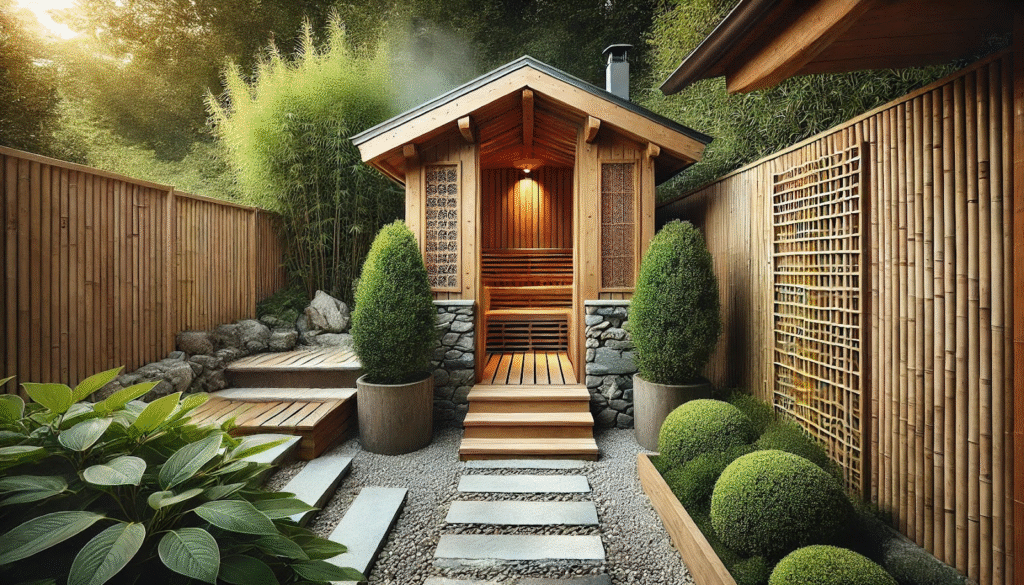
When creativity meets nature, magic happens. The right touch of Outdoor Garden Ideas can turn even the dullest corners into sanctuaries of beauty, peace, and inspiration. What once was a plain backyard, a bare balcony, or a neglected patio can evolve into a space that radiates charm, vitality, and meaning. The secret lies not in luxury, but in thoughtful design, harmony, and a connection with nature’s rhythm.

The Art of Seeing Potential
Every outdoor space, regardless of size or condition, holds untapped promise. A small courtyard can become a lush retreat. A narrow side yard can serve as a quiet walkway framed by greenery. Even a concrete terrace can feel alive when touched with color, texture, and natural elements.
The first step is perception. Look beyond what is. Envision what could be. Imagine sunlight filtering through climbing vines or the sound of soft water echoing off stone. Great transformations begin with imagination anchored by practical strategy.
Choosing a Design Theme
A well-chosen theme brings unity to the transformation. Whether your goal is rustic charm, minimalist balance, tropical vibrance, or European elegance, a cohesive concept gives direction to every design choice.
For instance, a Zen-inspired space might feature smooth stones, bamboo, and flowing water, inviting calmness and mindfulness. A Mediterranean garden thrives on terracotta pots, herbs, and lavender that release fragrance under the sun. For something contemporary, sleek planters, metal accents, and geometric paving can create an architectural statement.
The key is consistency. Every detail—from plant selection to lighting—should echo the personality of the theme.
Breathing Life into Empty Corners
Corners are often forgotten, yet they hold powerful potential. Add a cluster of tall plants to introduce vertical depth. Use a small bench to invite pause and reflection. A trellis with climbing jasmine or bougainvillea can add a splash of color and scent that defines the entire area.
Water features also fit beautifully into corners. A bubbling pot fountain or miniature pond instantly turns stillness into movement. These subtle elements add energy while keeping the ambiance intimate and soothing.
The Magic of Color and Texture
Color is the soul of a garden. It sets emotion, defines seasonality, and reflects personality. A monochromatic palette of greens creates tranquility, while bursts of red, yellow, or purple inject excitement. The most successful outdoor designs mix both—balancing vibrancy with calm.
Texture, on the other hand, provides depth. Pair broad-leaved tropicals with fine ferns. Combine rough stone with soft moss. Mix polished metal planters with wooden decks. These contrasts draw the eye and invite touch, making the space feel layered and alive.
A garden that engages multiple senses becomes unforgettable.
Paths That Invite Exploration
Pathways guide movement and structure experience. They direct the flow from one zone to another while adding rhythm to the design. Gravel paths feel casual and organic. Stone slabs communicate permanence and strength. Wooden planks or stepping stones can connect natural and modern styles effortlessly.
Curving paths evoke mystery and curiosity, leading visitors to discover new perspectives. Straight lines, on the other hand, instill order and elegance. Regardless of layout, good paths should blend functionality with aesthetic harmony.
Seating That Feels Like Belonging
No garden transformation is complete without a place to sit, breathe, and enjoy the result. Whether it’s a classic wrought-iron bench under a tree or a modern built-in seat along a planter, seating transforms a garden from a showpiece into a livable sanctuary.
Positioning matters as much as design. Place seats where the best light falls during golden hour. Align them with views—whether it’s a fountain, flower bed, or skyline. Surround the area with soft textures, potted plants, or climbing vines to create a cocoon-like feel.
Comfort is key, but so is connection. The right seat makes nature an extension of the home.
Playing with Light
Lighting brings the garden to life after sunset. It can highlight, dramatize, or simply set the mood. The right light reveals form and depth that daylight may overlook.
Soft ambient lighting from hidden fixtures enhances intimacy. Path lights provide safety while defining routes. Uplighting beneath trees or behind shrubs adds drama and dimension. For a whimsical touch, string lights or lanterns cast warmth that feels festive yet serene.
A well-lit garden transforms evening hours into opportunities for reflection, gathering, or solitude. Light is not just visibility—it’s atmosphere.
Vertical Gardens for Limited Spaces
When floor space is scarce, look up. Vertical gardens turn plain walls into living artworks. They introduce greenery without consuming area, ideal for balconies, terraces, or small patios.
Use modular panels, hanging pots, or climbing plants trained along trellises. Mix species for visual interest—ferns, herbs, succulents, and flowering vines can coexist beautifully.
Vertical gardens also improve air quality and reduce heat absorption, making small outdoor areas both eco-friendly and stylish.
Water as a Transformative Element
Few features captivate like water. It reflects light, adds sound, and introduces movement. Even in modest gardens, a simple bowl fountain or narrow channel can become the focal point.
The psychological effect of water is undeniable—it calms the mind, lowers stress, and draws people closer. The combination of fluidity and sound complements static plants and hard materials, creating a balanced ecosystem of energy.
Pair water features with surrounding foliage to blend them naturally into the design. Ferns, irises, or papyrus plants thrive near moisture and complete the illusion of an oasis.
Adding Functionality with Style
Outdoor spaces should be beautiful, but also useful. Integrating function into design ensures long-term enjoyment. Think of how the space can serve daily needs.
An outdoor dining nook can extend the home’s living area. Built-in planters can double as benches. Pergolas can shade both seating and pathways. Multifunctional furniture or storage units keep things tidy without sacrificing aesthetic appeal.
The balance between form and purpose creates outdoor environments that feel complete.
Seasonal Versatility
Designing with changing seasons in mind keeps the garden visually appealing year-round. Choose plants with varied blooming cycles so the landscape evolves with time.
Spring brings blossoms and fresh greens. Summer offers fullness and fragrance. Autumn adds warmth through foliage. Winter, though subdued, can still captivate with evergreens and structural plants like boxwood or ornamental grasses.
Seasonal decor—such as lanterns, cushions, or potted arrangements—can easily refresh the atmosphere without major redesign. A dynamic garden keeps the experience alive throughout the year.
Blending Indoors and Outdoors
One of the most powerful transformations happens when boundaries between inside and outside dissolve. Large sliding doors, transparent barriers, or continuous flooring can blur these lines beautifully.
Positioning plants near entrances connects both realms visually. Even small details—like matching planters or similar materials—create cohesion. The goal is to make nature feel like part of the home’s architecture rather than a separate zone.
This seamless flow invites light, air, and tranquility deeper into daily life.
Small Details That Make a Big Difference
Transformation often hides in the details. Decorative stones arranged around planters. A sculptural birdbath at a path intersection. The scent of herbs brushing your legs as you walk by. These small gestures define atmosphere and memory.
Mixing organic and crafted elements builds character. A rustic wooden ladder can display potted plants. Vintage containers can be repurposed as quirky accents. Even color-coordinated cushions or woven mats contribute to the experience.
The charm of a space lies not only in its grand design but in its thoughtful nuances.
Sustainable Gardening Choices
Modern transformations are guided by sustainability. Using native plants reduces maintenance and conserves water. Composting waste nourishes the soil naturally. Installing drip irrigation or collecting rainwater keeps the garden efficient.
Recycled or upcycled materials—like reclaimed wood, repurposed metal, or glass—bring authenticity and responsibility into design. Every eco-conscious choice adds moral depth to aesthetic beauty.
Sustainability ensures that your outdoor transformation benefits both your home and the planet.
The Role of Scent and Sound
A complete garden experience engages every sense. The fragrance of jasmine, rosemary, or gardenia can transform mood instantly. Place aromatic plants near seating areas or entrances for continuous delight.
Sound contributes too. The rustle of bamboo leaves, chirping birds, or flowing water adds an invisible layer of life. These sounds ground you in the present moment, turning your garden into a living meditation space.
Balance sensory elements so that no one overpowers the other. Harmony creates serenity.
Embracing Wild Beauty
Perfection is not the ultimate goal. Nature’s charm often lies in imperfection—the uneven growth, the spontaneous bloom, the fallen leaf. Allow some areas of your garden to remain a bit wild. It gives authenticity and contrast to manicured design.
Encouraging pollinators like bees and butterflies not only enriches biodiversity but also animates the space. A living garden is one that hums, flutters, and breathes with life.
Lighting the Night with Elegance
Evenings hold their own kind of magic. As daylight fades, shadows stretch and textures change. Use low-voltage lighting to emphasize contours and forms.
Candlelit lanterns or solar-powered stakes create a tranquil, dreamlike atmosphere. Highlight trees, sculptures, or reflective surfaces for subtle drama. Nighttime gardens should feel mysterious yet welcoming—spaces where stories unfold softly under the glow.
Crafting Flow and Movement
A successful garden feels like a journey, not just a static view. Paths, water channels, plant groupings, and even color gradients should guide the eye naturally. Every turn, every sightline should reveal something new—a sense of progression and rhythm.
Movement also comes from natural elements like wind and water. Plants that sway, ripples that shimmer, and textures that shift with light give a sense of vitality. Static beauty fades, but living motion keeps curiosity alive.
Personal Touches That Tell a Story
The most memorable gardens reflect the people who create them. Incorporate personal meaning into your design. A favorite color, a symbolic plant, or a handmade ornament can turn decoration into expression.
Family heirlooms can become focal points—an old chair repainted and placed under a tree, or vintage jars turned into lanterns. These touches breathe emotion into the transformation.
When a garden carries personal stories, it becomes more than a space—it becomes identity rooted in nature.
Balancing Structure and Freedom
Every outdoor transformation requires a balance between control and chaos. Structure defines order, while freedom allows spontaneity. Paths, edges, and planters bring clarity, while wildflowers, climbers, and natural textures soften the lines.
This contrast is what makes gardens truly captivating. It’s the dance between precision and wildness, between man-made and natural. The best designs honor both.
Transformation is not about expense or extravagance—it’s about intention and creativity. With the right Outdoor Garden Ideas, ordinary spaces can become extraordinary sanctuaries of peace, beauty, and connection.
A single idea—a new path, a climbing vine, or a flicker of light—can change how a place feels forever. Nature doesn’t demand perfection; it rewards authenticity. When you allow your imagination to meet the earth, your garden ceases to be just a space—it becomes a living story that grows with you.
About the Author