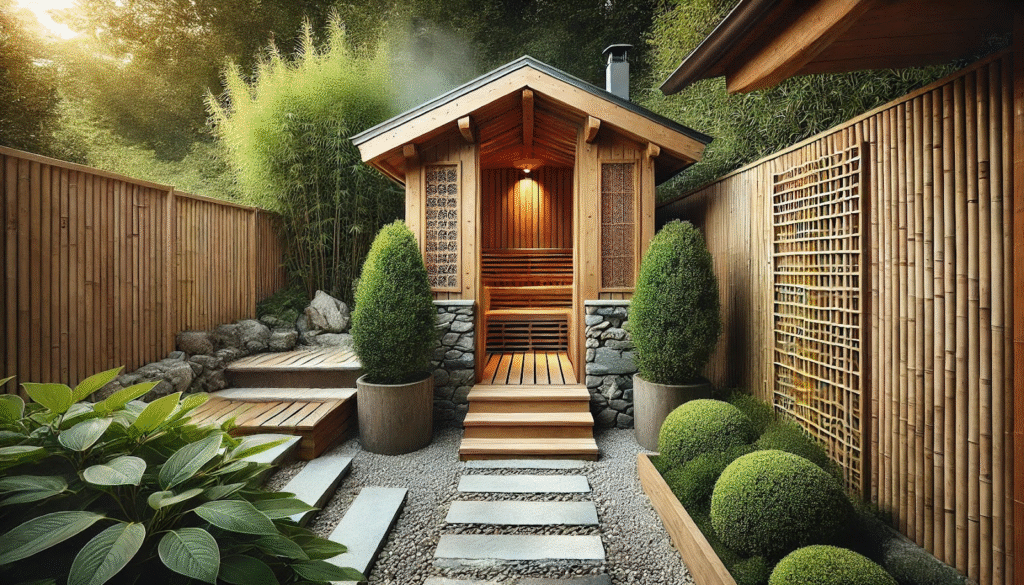
Every Corner Outdoor Garden tells a unique story. Whether it’s a sun-drenched nook bursting with blossoms or a shaded alcove wrapped in ivy, each section holds potential for artistry and expression. Gardens thrive on diversity. From structured landscapes to free-flowing designs, every corner can embody both creativity and comfort.

The Beauty of Corners in Garden Design
Corners often go unnoticed, left barren or cluttered with unused pots. Yet they possess tremendous design power. When approached thoughtfully, they anchor the entire outdoor layout, providing both visual balance and character. Corners can function as retreat zones, plant sanctuaries, or decorative vignettes that tie the space together.
By transforming corners into purposeful elements, the garden evolves from scattered greenery into a cohesive environment. Even small yards can feel expansive when every corner carries intention.
Embracing Light and Shadow
Light dictates the rhythm of any garden. Observe how sunlight travels across the day. South-facing corners flourish under full sun, ideal for vibrant flowers and aromatic herbs. Shaded corners, meanwhile, invite calm and mystery. Ferns, hostas, and impatiens thrive in partial light, creating a cool, meditative vibe.
Contrasting light levels across corners adds dimension. The interplay between brightness and shadow brings dynamic texture to the garden, turning simple layouts into multi-sensory experiences.
Cozy Corners for Relaxation
A tranquil retreat can be created even in the smallest section of the yard. A simple bench surrounded by flowering shrubs transforms a forgotten corner into a peaceful hideaway. Add a small side table for morning coffee or evening tea, and suddenly, that patch of space becomes the heart of the outdoor sanctuary.
To enhance intimacy, use climbing vines or lattice panels as natural dividers. Incorporate cushions in earthy tones, complementing the greenery while maintaining a casual yet refined atmosphere.
Vertical Gardens for Tight Corners
Not every garden has endless square footage. For smaller spaces, vertical gardening turns walls and fences into living art. Hanging planters, stacked pots, or wall-mounted trellises allow you to cultivate greenery without encroaching on walking space.
Herbs, succulents, and trailing flowers like petunias or ivy excel in vertical arrangements. This approach adds vibrancy and depth to corners that might otherwise feel static or empty.
The Role of Pathways
Pathways influence how corners connect within the garden. Curved paths encourage exploration, while straight lines lead the eye to focal points. Materials such as gravel, flagstone, or wood decking can reflect different moods—rustic, contemporary, or romantic.
A well-designed path gives purpose to corners, drawing visitors naturally toward hidden delights like sculptures, seating, or water features. The journey through the garden becomes just as rewarding as the destination.
Color Palettes that Energize Corners
Color brings emotion to outdoor spaces. Each corner can carry its own theme, reflecting personality and mood. A vibrant corner might feature marigolds, dahlias, and zinnias for bursts of joy. A softer, more tranquil corner may showcase lavender, white roses, or pale hydrangeas for elegance.
Color repetition unites separate corners into one cohesive design. Even when using different plant species, maintaining a consistent palette creates flow throughout the space.
Corners as Wildlife Havens
Nature flourishes when given shelter. Transform a quiet corner into a wildlife-friendly zone with flowering shrubs, native plants, and a birdbath. Butterflies and bees will frequent the blooms, contributing to natural pollination and balance.
Planting species like coneflowers, lavender, and echinacea encourages biodiversity. Add a small log pile or birdhouse for added character and ecological benefit. These living corners become dynamic ecosystems within the broader garden design.
Sculptural Elements and Art Installations
Garden art personalizes outdoor space. Corners make perfect stages for sculptures, pottery, or abstract metal art. These focal points add structure and intrigue, especially when surrounded by dense greenery.
Stone statues or ceramic vases lend timeless charm, while modern pieces provide contrast. Lighting beneath or behind artwork enhances drama during twilight hours. The play of light and shadow turns each corner into a living gallery.
Water Features in Corners
Nothing soothes like the sound of trickling water. Installing a small fountain or pond in a corner introduces movement and calm. Water reflects surrounding plants, amplifying color and light while creating a natural cooling effect.
A birdbath in a shaded area attracts avian visitors, while a minimalist wall fountain can elevate a contemporary garden’s aesthetic. Corners near seating areas benefit most from this sensory addition, merging sound and sight into one tranquil experience.
Seating Ideas that Invite Rest
Corners make ideal spots for seating arrangements. A swing chair, hammock, or stone bench turns an unused corner into a personal retreat. Surround these with tall planters or flowering shrubs to foster a sense of privacy.
Mix materials for texture—combine wooden seats with iron accents or stone bases with soft cushions. Corners dedicated to rest embody balance, allowing for reflection amid natural surroundings.
Lighting for Evening Magic
Proper lighting transforms corners after sunset. Soft glows from lanterns or fairy lights bring warmth without overpowering the garden’s natural beauty. Path lights ensure safety while maintaining ambiance.
Solar-powered fixtures offer eco-friendly illumination. Position them strategically under trees, around seating areas, or near focal plants to highlight texture and color. Lighting adds an entirely new dimension, ensuring the garden’s charm continues well into the night.
Combining Texture and Form
Visual interest thrives on contrast. Pair smooth leaves with rugged bark, spiky grasses with delicate blooms. Corners with layered textures feel dynamic and alive.
Planting tall ornamental grasses behind clusters of low perennials produces natural depth. Mixing plant forms—upright, cascading, rounded—ensures that each corner maintains visual intrigue from every angle.
Containers that Define Space
Potted plants bring flexibility. Containers allow gardeners to experiment with color and scale. Grouping pots in varying heights creates instant structure. Terracotta pots radiate warmth, while ceramic or metal containers add sophistication.
Positioning large containers at corners helps define garden boundaries while introducing rhythm to open spaces. Seasonal flowers or dwarf shrubs keep the design fresh year-round.
Fragrance and Sensory Appeal
Aromatic plants enrich corners that double as resting zones. Jasmine, mint, rosemary, and gardenia emit captivating scents that elevate the mood. Their fragrances mingle with the breeze, turning each moment outdoors into sensory delight.
Scented corners also serve practical functions. Herbs like basil or lemon balm repel insects while perfuming the air. Strategic placement enhances both comfort and atmosphere.
Layered Planting for Year-Round Interest
A well-planned corner changes with the seasons. Combine evergreen shrubs with seasonal blooms to ensure consistent appeal. Spring tulips give way to summer lilies, autumn chrysanthemums, and winter hellebores.
This layered approach prevents dullness during dormant months. Even in cold weather, textures from evergreens or ornamental grasses maintain structure and visual comfort.
Mixing Edibles and Ornamentals
Edible plants can be as attractive as ornamental ones. Corners with raised beds or planters can hold herbs, leafy greens, or berry bushes. These blend aesthetics with function, proving that productivity doesn’t have to compromise beauty.
Bright lettuce leaves or purple basil add vibrant tones, while strawberries or cherry tomatoes bring bursts of color. Combining form and function embodies modern garden philosophy—beauty that nourishes.
Creating Mini-Themes for Each Corner
Each garden corner can carry a unique identity without losing unity.
- A Zen corner with bamboo and gravel fosters mindfulness.
- A Mediterranean nook filled with olive trees, lavender, and terracotta radiates warmth.
- A Woodland corner rich in ferns, moss, and hostas captures the essence of tranquility.
These mini-themes maintain individuality while contributing to the overall rhythm of the space.
Balancing Hard and Soft Elements
Too much greenery can feel overwhelming without contrasting textures. Introducing stone, wood, or metal structures breaks the monotony. Pebble borders, rustic fences, or garden arches balance the softness of plants with structural definition.
Hard materials also enhance durability, ensuring corners maintain shape even as plant growth evolves. The balance between organic and crafted materials embodies harmony in design.
Elevating Corners with Height
Height adds hierarchy and drama. Small trees, tall perennials, or raised beds elevate visual layers. Climbing plants like wisteria or clematis accentuate verticality, guiding the eye upward.
Using height variation in corners creates enclosure and intimacy. It frames the view, giving depth to otherwise flat landscapes. Each tier contributes to the illusion of expansiveness.
Sustainability in Garden Corners
Modern gardening emphasizes environmental mindfulness. Using native plants, collecting rainwater, and practicing composting all contribute to ecological balance. Mulching retains moisture, while drip irrigation reduces waste.
Corners dedicated to sustainability, such as compost bins disguised with shrubbery or rain barrels tucked behind trellises, merge practicality with aesthetics.
Seasonal Decor Transformations
Gardens are ever-evolving. Corners can be refreshed each season with thematic decor—lanterns in summer, pumpkins in autumn, evergreens during winter. Rotating elements prevent stagnation and maintain excitement.
This flexibility allows creativity to flourish year-round, keeping outdoor living spaces alive with visual stimulation.
Inviting Corners for Gatherings
Larger corners can double as small gathering spots. Adding a compact table with chairs or a fire pit transforms the area into a social zone. Surround with potted plants or low hedges to maintain intimacy.
Corners encourage connection, providing secluded yet open areas where people naturally gravitate during outdoor events. The blend of coziness and openness enhances hospitality.
The Psychological Impact of Well-Designed Corners
Spaces influence emotion. Corners that balance symmetry, texture, and flow create calmness and satisfaction. Engaging with plants reduces stress, while organized yet natural layouts promote focus.
A thoughtfully designed garden corner is more than décor—it’s therapy. The act of nurturing plants nurtures the mind. The visual beauty reflects inner peace, making every corner a sanctuary.
Final Thoughts
Each corner of a garden holds transformative potential. It can become a resting place, a burst of color, a hub of fragrance, or a sanctuary for wildlife. With intentional design, no space remains idle.
The key lies in awareness—observing light, texture, and flow, then shaping them into harmony. A garden designed this way becomes not merely outdoor décor but an expression of balance and imagination. Every corner, when cultivated with vision, contributes to an environment that inspires joy, reflection, and renewal every single day.
About the Author