
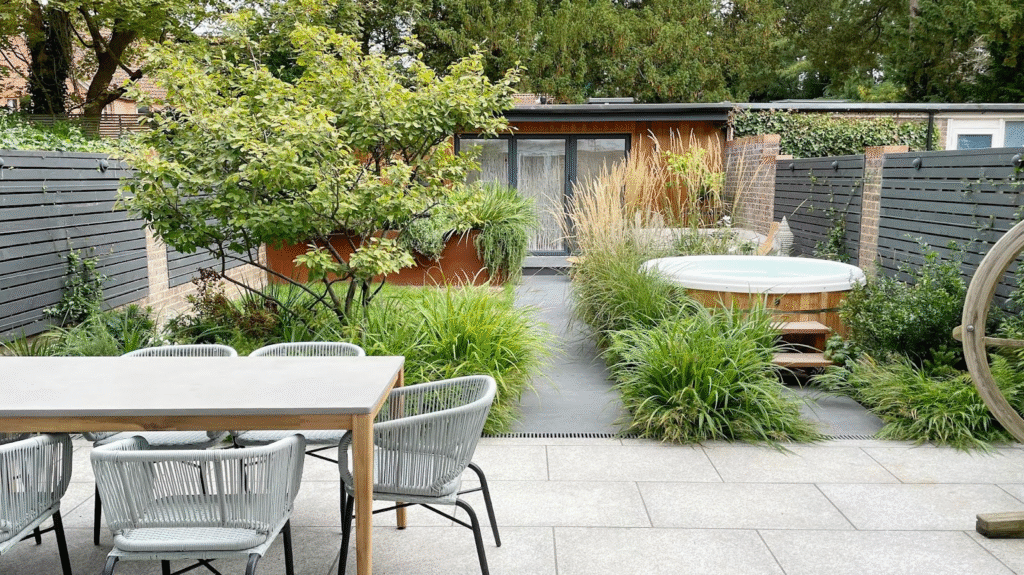
In modern living environments, integrating urban garden style into compact outdoor areas offers both aesthetic and functional benefits. Cities often present limited space, unpredictable environmental conditions, and a need for practicality, yet thoughtful design can transform even small patios, balconies, or courtyards into lush, inviting green spaces. Urban gardening emphasizes creativity, adaptability, and resourcefulness, ensuring that every inch of available area contributes to a harmonious and visually pleasing outdoor retreat. Incorporating vertical plantings, modular designs, and multifunctional furniture allows urban dwellers to enjoy nature’s tranquility without sacrificing functionality or style.
Assessing Urban Space Limitations
Before embarking on an urban garden transformation, it is essential to assess the space available. Balconies, rooftop terraces, and small yards come with constraints such as limited sunlight, wind exposure, and structural load capacities. Understanding these factors allows for strategic plant selection, furniture placement, and the integration of design elements that maximize usability and comfort.
Vertical Gardening for Compact Spaces
Vertical gardening offers a solution to spatial limitations while providing lush greenery. Wall-mounted planters, trellises, and hanging baskets enable the cultivation of flowers, herbs, and vegetables without occupying valuable floor space. Using vertical structures creatively enhances visual interest and creates a sense of height and depth, making small areas appear larger and more immersive.
Container Gardening Strategies
Containers and planters are vital tools in urban gardening. Lightweight pots, raised beds, and modular containers allow for flexibility in plant placement and ease of relocation when sunlight patterns or environmental conditions change. Selecting containers made of durable, weather-resistant materials ensures longevity, while varied sizes and shapes add visual intrigue.
Choosing the Right Plants
Plant selection is critical in achieving a sustainable urban garden. Opting for drought-tolerant, low-maintenance, and air-purifying species promotes resilience and health in city environments. Native plants often adapt more readily to local conditions, requiring less water, fertilizer, and pest control. Combining flowering perennials with ornamental grasses and structural shrubs produces dynamic visual layers that remain engaging throughout the year.
Incorporating Multifunctional Furniture
Urban gardens often double as social or relaxation areas, making multifunctional furniture essential. Benches with storage, foldable tables, and modular seating arrangements allow flexibility without compromising aesthetic appeal. Furniture design should complement the overall garden style, integrating seamlessly with plantings and decorative elements while providing comfort and usability.
Utilizing Microclimates
Urban spaces frequently create microclimates influenced by nearby buildings, reflective surfaces, and wind patterns. Understanding these microclimates allows gardeners to position plants strategically, protecting delicate species and optimizing growth conditions. For example, sun-loving plants can be placed near reflective walls to maximize light exposure, while shaded corners can host plants that thrive in lower light conditions.
Lighting Solutions
Artificial lighting extends usability of urban gardens beyond daylight hours and enhances ambiance. String lights, solar-powered lanterns, and LED fixtures provide warmth and accentuate focal points such as vertical gardens, water features, or seating areas. Thoughtful lighting design ensures safety while creating an inviting atmosphere for evening relaxation or social gatherings.
Water Features in Urban Gardens
Incorporating water features adds auditory and visual appeal to compact outdoor areas. Small fountains, wall-mounted water spouts, or container water gardens create a sense of tranquility while helping regulate ambient humidity. Careful placement ensures that water features do not overwhelm the limited space, maintaining balance with plantings and furniture.
Sustainable Urban Gardening Practices
Sustainability is a core principle of modern urban gardening. Collecting rainwater, using biodegradable fertilizers, and implementing composting practices reduce environmental impact while maintaining garden health. Sustainable methods encourage long-term viability and reduce maintenance demands, making the urban garden both eco-friendly and efficient.
Creating Privacy in Urban Gardens
Privacy is often a concern in densely populated areas. Screened panels, tall planters, trellises with climbing vines, or bamboo partitions provide seclusion without isolating the space. Integrating privacy elements into the design maintains aesthetic continuity while enhancing comfort and usability.
Layered Planting for Visual Depth
Layering plants of varying heights, textures, and colors creates a sense of depth and richness. Taller plants serve as backdrops, mid-height plants provide transitional layers, and groundcovers fill spaces, producing a cohesive visual narrative. Layered planting also supports biodiversity by accommodating different plant needs and attracting beneficial insects.
Creative Use of Color
Color selection plays a pivotal role in urban garden style. Harmonious palettes of foliage, flowers, and decorative elements can transform a small area into a vibrant, dynamic space. Contrasting colors highlight focal points, while monochromatic schemes create a sense of calm and continuity. Seasonal changes in color enhance the garden’s visual narrative throughout the year.
Smart Storage Solutions
Urban gardens benefit from integrated storage solutions that conceal tools, cushions, and other accessories. Benches with storage compartments, vertical shelves, and modular cabinets keep the space tidy and organized. Efficient storage ensures that functional elements do not disrupt the visual harmony or limit mobility within the garden.
Incorporating Art and Sculptural Elements
Artistic elements elevate the sophistication of urban gardens. Sculptures, decorative planters, wall art, and mosaics provide focal points and enhance the thematic cohesion of the space. Selecting pieces that withstand weather conditions ensures durability, while carefully placed art complements plantings without cluttering the area.
Enhancing Air Quality
Plants in urban environments contribute to air purification by absorbing pollutants and releasing oxygen. Incorporating a mix of leafy green plants, flowering species, and small shrubs optimizes this effect. Strategic placement near windows, patios, and seating areas improves air quality for inhabitants while promoting well-being.
Vertical and Horizontal Integration
Combining vertical and horizontal planting techniques maximizes usable space while enhancing visual appeal. Ground-level beds, container arrangements, and hanging planters work together to create a cohesive, layered effect. Integration of levels also supports diverse plant species with different light and moisture requirements.
Reflective Surfaces
Mirrors and reflective materials in urban gardens amplify natural light and create an illusion of space. Positioning reflective surfaces adjacent to plants or water features enhances the sense of depth and brightness, particularly in shaded or narrow areas. Careful placement prevents glare while maximizing the visual impact of greenery.
Edible Urban Gardens
Incorporating herbs, vegetables, and fruit-bearing plants adds functionality and sustainability to urban gardens. Container gardening allows for flexible placement of edible plants, while vertical solutions increase productivity in limited spaces. Seasonal rotations ensure continuous harvests and maintain aesthetic appeal.
Modular Garden Design
Modularity allows urban gardens to adapt to changing needs and spatial constraints. Movable planters, stackable containers, and modular seating systems facilitate flexibility in layout and usage. Modular design supports experimentation with plant combinations and design arrangements without permanent commitments.
Seasonal Maintenance
Urban gardens require consistent seasonal maintenance to thrive. Pruning, fertilization, watering adjustments, and pest management ensure plant health and aesthetic continuity. Adapting care routines to seasonal changes minimizes stress on plants and sustains the intended design throughout the year.
Incorporating Aromatic Plants
Fragrant plants enhance sensory experiences in urban gardens. Herbs like lavender, rosemary, and mint or flowering plants such as jasmine and gardenia create a soothing olfactory environment. Strategic placement near seating areas ensures that fragrances are enjoyed without overwhelming the space.
Sound Considerations
In bustling city environments, incorporating sound-reducing elements improves relaxation. Water features, dense plantings, and soft furnishings absorb ambient noise, creating a serene atmosphere. Thoughtful layering of textures and surfaces contributes to both auditory comfort and aesthetic cohesion.
Wildlife-Friendly Elements
Encouraging pollinators and beneficial insects enhances ecological balance. Bird feeders, butterfly-friendly flowers, and insect hotels support biodiversity. Integrating wildlife-friendly elements promotes plant health while adding movement and life to urban gardens.
Minimalist Urban Garden Approaches
Minimalist design simplifies maintenance while emphasizing form, texture, and negative space. Using a limited palette of plants and materials focuses attention on structure and detail. Minimalism encourages thoughtful placement and reduces visual clutter in compact urban areas.
Climate-Responsive Design
Understanding local climate conditions informs plant selection, placement, and maintenance routines. Urban gardens benefit from choosing species tolerant to temperature extremes, wind exposure, and limited sunlight. Climate-responsive design ensures resilience and reduces intervention needs.
Innovative Irrigation Systems
Efficient irrigation strategies conserve water and maintain consistent plant hydration. Drip systems, self-watering planters, and rainwater collection integrate seamlessly into urban gardens. Properly designed irrigation promotes sustainability and supports plant longevity.
Seasonal Decor Integration
Adding seasonal decorative elements refreshes urban gardens and enhances engagement. Planters, ornaments, and thematic features complement existing plantings while creating dynamic visual narratives. Rotating decor according to seasons sustains interest and reflects personal style.
Lighting for Mood and Safety
Layered lighting provides both aesthetic appeal and practical benefits. Ambient lighting creates cozy atmospheres, while task lighting ensures safe navigation through pathways. Solar-powered fixtures or LED systems offer energy-efficient options suitable for urban environments.
Enhancing Connectivity with Indoor Spaces
Linking urban gardens with interior spaces promotes cohesion and functionality. Glass doors, open terraces, and visual continuity encourage flow and extend living areas outdoors. Indoor-outdoor integration enhances usability while fostering connection with nature.
Innovative Plant Supports
Climbing structures, trellises, and cages allow plants to grow vertically and expand without consuming floor space. Creative supports guide growth, provide structure, and contribute to visual appeal. Material choice and design ensure durability and complement garden aesthetics.
Incorporating Textural Variety
Combining diverse textures in foliage, surfaces, and furnishings enriches visual complexity. Broad leaves, fine grasses, smooth planters, and rough stone pathways create contrast and interest. Textural layering enhances depth perception and engagement in compact spaces.
Flexible Layouts
Urban gardens benefit from adaptable layouts that accommodate gatherings, seasonal plantings, and evolving needs. Movable planters, foldable furniture, and modular arrangements support dynamic spatial usage without sacrificing style.
Integrating urban garden style into city environments transforms restricted spaces into vibrant, functional, and visually compelling outdoor areas. By strategically utilizing vertical gardening, container solutions, multifunctional furniture, and sustainable practices, urban dwellers can enjoy the benefits of nature within compact surroundings. Thoughtful design, sensory considerations, and adaptive maintenance routines ensure that urban gardens remain resilient, engaging, and harmonious. Through layered planting, seasonal decor, and innovative approaches to lighting, irrigation, and space utilization, even the smallest urban outdoor areas can achieve remarkable charm, tranquility, and practicality, offering a sanctuary from the bustling city environment.
About the Author






