
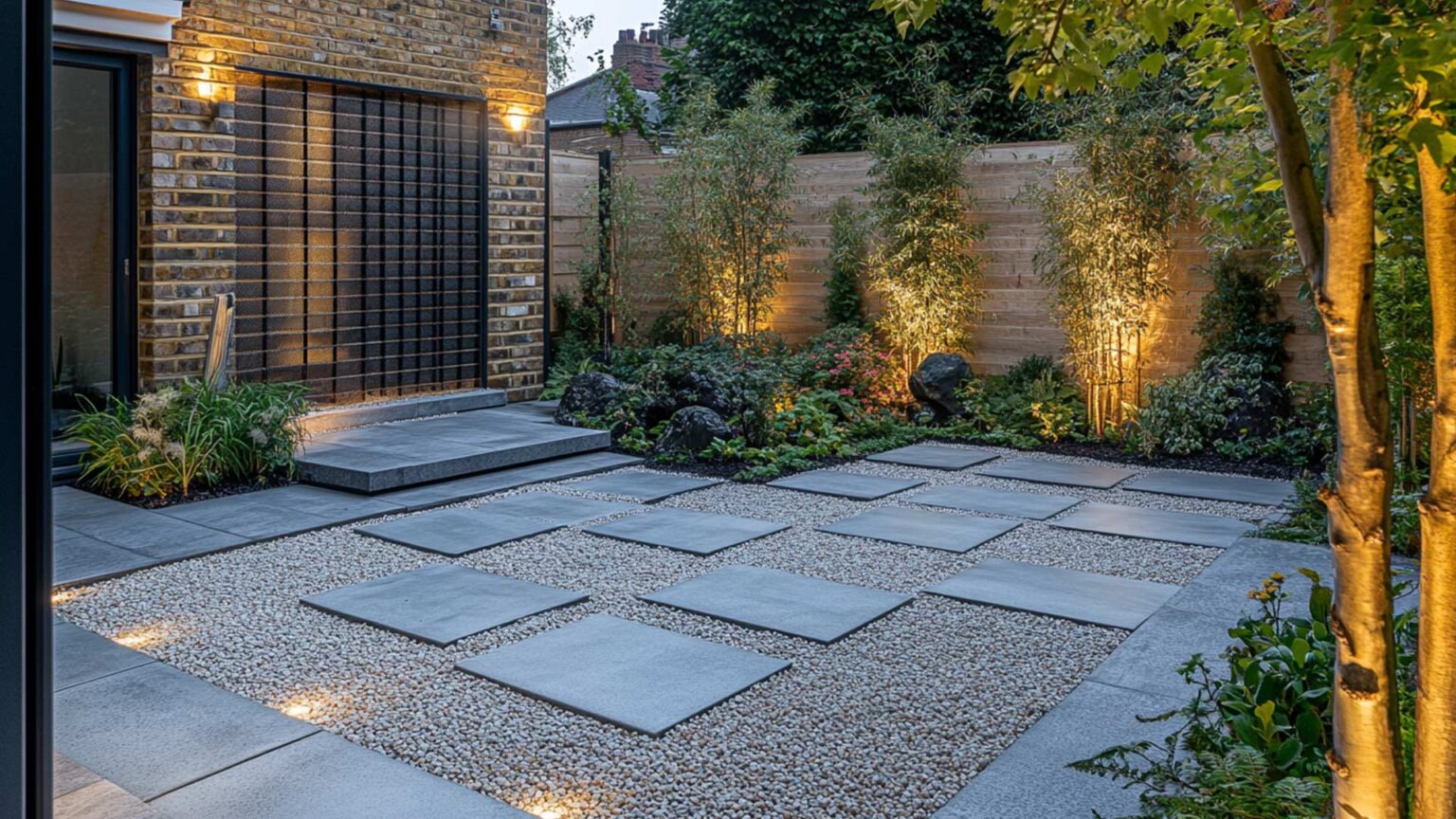
A Minimal Outdoor Garden transforms even the tiniest patch of greenery into a serene, functional, and aesthetically pleasing retreat. With careful selection of plants, furniture, and layout, small spaces can feel expansive, organized, and deeply inviting. Minimalist design emphasizes simplicity, clean lines, and purposeful elements, allowing both nature and architecture to shine without overwhelming the senses.
Embracing Clean Lines and Open Space
In small outdoor gardens, clarity and simplicity are paramount. Clean lines in pathways, planters, and borders help create an uncluttered appearance, making the space feel larger than it is. Rectangular or geometric planters provide structure while maintaining a contemporary look.
Limiting decorative elements prevents visual chaos. Instead, each piece—whether a bench, fountain, or sculpture—serves both form and function. Open space encourages movement and invites light, making even compact gardens feel airy and comfortable.
Choosing Plants Strategically
Plant selection is crucial in a Minimal Outdoor Garden. Opt for species that provide structure, texture, and visual interest without excessive maintenance. Tall, vertical plants like bamboo or ornamental grasses draw the eye upward, creating the illusion of height.
Succulents, dwarf shrubs, and topiaries offer sculptural appeal while occupying minimal ground space. Grouping plants with similar shapes or colors fosters harmony and reduces visual noise. In minimalist design, every plant has a purpose, whether for texture, greenery, or seasonal color.
Layering with Subtle Textures
Texture is a subtle but powerful tool in small garden spaces. Smooth surfaces, like concrete pathways or gravel beds, contrast beautifully with the rough textures of stone, bark, or leafy plants.
Incorporating varying leaf shapes and sizes adds depth without overcrowding. For example, pairing tall, slender grasses with low, dense groundcovers creates a layered effect that feels natural yet controlled. Texture allows the eye to explore the space without overwhelming it, enhancing the minimalist aesthetic.
Maximizing Vertical Space
Vertical gardening is essential in compact gardens. Wall-mounted planters, trellises, and hanging pots utilize vertical real estate efficiently, freeing up floor space for pathways or seating.
Climbing plants such as ivy, jasmine, or clematis add greenery without consuming valuable ground area. Vertical elements not only conserve space but also provide privacy, visual interest, and opportunities for creative layering in a minimal garden environment.
Selecting Simple Color Palettes
Minimalist outdoor gardens thrive on restrained color schemes. A limited palette of greens, grays, and soft neutrals creates a serene backdrop for occasional pops of color.
Accents can come from flowering plants in muted tones, ornamental pots, or carefully chosen decorative pieces. By keeping color choices subtle and cohesive, the garden feels organized, harmonious, and spacious despite its size.
Functional and Minimal Furniture
Furniture in a Minimal Outdoor Garden must combine comfort with simplicity. Sleek benches, modular seating, and foldable chairs are ideal for small spaces.
Materials like metal, teak, or concrete maintain the minimalist aesthetic while ensuring durability. Choosing furniture that can double as storage or planters maximizes functionality without cluttering the garden. Every piece should feel intentional, blending seamlessly with the environment.
Incorporating Pathways and Flow
Pathways guide movement, define spaces, and enhance the sense of depth in a compact garden. Straight or gently curving paths in stone, gravel, or wood complement minimalist designs.
Using uniform materials and restrained patterns avoids visual disruption. Narrow paths can lead to hidden corners or small seating areas, creating a sense of exploration and discovery within a limited footprint.
Minimal Water Features
A small water feature adds tranquility without dominating the garden. Wall-mounted fountains, reflective ponds, or simple basin-style features maintain the minimalist aesthetic.
The sound of water encourages relaxation and masks background noise, enhancing the garden’s peaceful ambiance. Minimalist water features rely on clean design and proportional scale to harmonize with the surrounding elements.
Low-Maintenance Planting
Simplicity in maintenance aligns with the principles of a Minimal Outdoor Garden. Choose drought-tolerant species, slow-growing shrubs, and self-cleaning plants to reduce upkeep.
Groundcovers like creeping thyme or low mosses limit weeds and provide soft textures without frequent intervention. Minimalist gardens favor quality over quantity, prioritizing longevity and ease of care to preserve the design’s integrity.
Creating Focal Points
Even in a minimal garden, a focal point provides interest and anchors the design. This could be a single sculptural plant, a geometric planter, or a small piece of art.
Strategically positioned focal points draw attention and add dimension without overcrowding the space. By keeping surrounding areas simple, the focal element gains prominence and reinforces the garden’s minimalist principles.
Utilizing Containers and Modular Design
Containers are ideal for small outdoor gardens. Modular pots, raised beds, and mobile planters offer flexibility while controlling plant growth.
Grouping containers of varying heights and sizes creates rhythm and balance without cluttering the floor. This approach allows gardeners to experiment with layout, colors, and textures while maintaining a clean, minimalist look.
Enhancing Light and Shadow
Light plays a critical role in making small gardens appear expansive. Using reflective surfaces, light-colored materials, and strategically placed lighting highlights textures and guides the eye.
Shadows cast by vertical elements, trellises, and plants create depth and visual intrigue. Thoughtful lighting emphasizes the minimalist design while allowing the garden to be enjoyed during evening hours.
Defining Zones with Subtle Dividers
Subtle dividers, such as low hedges, vertical screens, or raised planters, create functional zones without overwhelming the garden.
Separating a seating area from planting beds adds purpose and structure. The key is transparency and proportion; dividers should guide the eye and movement without breaking the minimalist flow.
Incorporating Natural Materials
Natural materials like stone, wood, and gravel enhance the organic feel of a Minimal Outdoor Garden. Their textures and tones harmonize with greenery, reinforcing simplicity and cohesion.
Using a limited range of materials prevents visual chaos while ensuring durability. Carefully selected natural elements lend authenticity, warmth, and tactile interest to a compact garden.
Encouraging Outdoor Living
Minimalist gardens prioritize usability. Even small spaces can accommodate relaxation, reading, or meditation with thoughtfully arranged seating and open areas.
By keeping paths clear, plants manageable, and surfaces uncluttered, the garden invites people to linger, offering a peaceful escape despite its compact dimensions. Every element contributes to comfort without excess.
Seasonal Adaptations
Incorporating seasonal plants adds subtle variation and interest while maintaining minimalist integrity. Select species with predictable bloom cycles, foliage changes, or textures that shift naturally.
Deciduous shrubs, evergreen accents, and seasonal flowers ensure that the garden evolves throughout the year. Rotating containers or seasonal decor can refresh the space without disrupting its minimalist foundation.
Avoiding Clutter
Minimalism thrives on restraint. Avoid overcrowding with excessive decorative items, too many plant species, or bulky furniture.
Each object should have a purpose and harmonize with the overall aesthetic. By prioritizing quality and intention over quantity, the garden remains serene, spacious, and visually appealing, even in the smallest footprints.
Integrating Technology Subtly
Smart irrigation systems, solar lighting, and discreet outdoor speakers can enhance functionality without undermining simplicity.
Automated watering reduces maintenance, solar lights illuminate paths naturally, and subtle background sound enhances relaxation. Technology should remain unobtrusive, complementing rather than dominating the minimalist environment.
Encouraging Visual Continuity
Consistency in materials, colors, and plant types creates a seamless flow. Repetition of shapes, textures, and tones reinforces the minimalist design and makes small gardens feel cohesive.
Visual continuity reduces fragmentation, enhances tranquility, and ensures that each corner contributes to the overall aesthetic. The eye is guided smoothly through the space, making it feel larger and more harmonious.
A Minimal Outdoor Garden demonstrates that less truly can be more. Through strategic plant selection, clean lines, functional furniture, and thoughtful layering, even the smallest outdoor spaces can be transformed into serene, functional, and beautiful retreats.
Vertical elements, restrained color palettes, and subtle textures maximize the impact of limited space while maintaining clarity and openness. Minimal water features, focal points, and natural materials enhance tranquility and aesthetic appeal.
By emphasizing intentional design, simplicity, and multifunctionality, gardeners can create outdoor spaces that are visually striking, low-maintenance, and deeply inviting. Minimalism in small gardens provides clarity, calm, and a seamless connection to nature, turning compact areas into extraordinary urban sanctuaries.
About the Author






