
Achieving a Successful Outdoor Garden requires more than simply planting seeds and waiting for them to flourish. It demands strategic planning, careful observation, and a nuanced understanding of soil, light, and water dynamics. By implementing targeted growth strategies, gardeners can transform their outdoor spaces into thriving, vibrant landscapes that offer both visual appeal and ecological balance.
Understanding Your Outdoor Garden Environment
Every successful outdoor garden begins with a comprehensive understanding of its environment. This includes factors such as soil composition, sunlight exposure, wind patterns, and microclimates.
Conducting a soil analysis reveals pH levels, nutrient content, and drainage capabilities. This information is crucial for selecting plants that will thrive naturally without excessive supplementation. Additionally, observing the path of the sun and the presence of shade helps determine the ideal location for various plant types, ensuring optimal growth conditions.
Selecting Plants for Success
Plant selection is a cornerstone of outdoor garden success. Choosing native species or plants well-adapted to the local climate reduces maintenance demands and increases resilience to pests and disease.
Grouping plants with similar water, light, and soil requirements simplifies care routines and promotes uniform growth. For added visual interest, combine textures, leaf shapes, and flowering patterns. Annuals provide seasonal color bursts, while perennials establish long-term stability, offering structure and continuity to the garden.
Soil Preparation and Enhancement
Healthy soil is the foundation of a successful outdoor garden. Incorporating organic matter such as compost, well-rotted manure, or leaf mold improves fertility and soil structure.
Mulching conserves moisture, regulates temperature, and suppresses weeds. Regularly rotating crops or using cover plants enriches soil, replenishing nutrients and preventing erosion. For gardens with compacted soil, aeration techniques such as double digging or mechanical aerators enhance root penetration and water absorption.
Water Management Techniques
Efficient water management is critical for growth success. Overwatering or underwatering can stress plants, reducing vigor and productivity.
Drip irrigation systems deliver precise moisture directly to the root zone, minimizing evaporation and promoting deep root development. Rainwater harvesting systems provide an eco-friendly source of irrigation, while strategically timed watering—early morning or late evening—reduces water loss and fungal growth.
Fertilization Strategies
Targeted fertilization boosts plant health and supports rapid, sustained growth. Slow-release fertilizers provide steady nutrients over time, reducing the risk of overfertilization.
Organic amendments such as compost tea, fish emulsion, or seaweed extracts enrich soil biology, enhancing nutrient uptake. Monitoring nutrient deficiencies and adjusting fertilization schedules accordingly ensures plants receive the elements necessary for robust growth.
Pest and Disease Management
Maintaining a healthy outdoor garden involves proactive pest and disease management. Integrated Pest Management (IPM) combines cultural, mechanical, biological, and chemical strategies for sustainable control.
Encouraging beneficial insects, such as ladybugs or lacewings, reduces harmful pest populations. Companion planting can deter specific pests naturally, while crop rotation prevents the buildup of soil-borne diseases. Timely pruning and sanitation of garden debris further limit disease spread.
Pruning and Training Plants
Pruning is essential for shaping, controlling growth, and improving airflow within plants. Correct pruning techniques remove dead or diseased material, stimulate flowering, and encourage fruit production.
Training techniques, such as staking, trellising, or espalier, optimize light exposure and air circulation. This is particularly important for climbing plants, vegetables, and large shrubs. Proper structural support also reduces breakage from wind or heavy fruit loads.
Maximizing Sunlight and Shade
Understanding and optimizing sunlight exposure enhances growth outcomes. Plants that thrive in full sun require at least six hours of direct light per day, while shade-tolerant species flourish under filtered sunlight or partial shade.
Seasonal variations in sunlight should also be considered when positioning plants. Using reflective surfaces or selective pruning of trees can increase light penetration to lower-growing species, promoting more uniform growth.
Companion Planting for Growth Support
Companion planting leverages plant relationships to improve growth and productivity. Certain plants release natural chemicals that repel pests, attract pollinators, or enhance nutrient availability for neighboring species.
For example, planting basil near tomatoes improves flavor and deters insects, while legumes enrich soil with nitrogen, benefiting surrounding plants. Thoughtful combinations reduce chemical dependence and strengthen the overall ecosystem of the outdoor garden.
Mulching and Ground Cover
Mulching offers multiple benefits that enhance growth success. Organic mulches regulate soil temperature, maintain consistent moisture, suppress weeds, and contribute organic matter as they decompose.
Living ground covers provide similar advantages, reducing soil erosion and improving microbial activity. Choosing appropriate mulching materials and applying them correctly ensures long-term effectiveness without suffocating plant roots.
Seasonal Planting and Succession Planning
Planning for continuous growth requires attention to seasonal cycles. Succession planting ensures a steady supply of blooms, foliage, or harvestable produce throughout the year.
Winter cover crops prevent soil degradation, protect roots, and enrich the soil for spring planting. Staggered sowing of fast-maturing crops maximizes productivity and maintains garden vibrancy across multiple seasons.
Encouraging Pollinators and Wildlife
Pollinators and beneficial wildlife play a pivotal role in outdoor garden success. Bees, butterflies, and hummingbirds enhance plant reproduction, while predatory insects control harmful pests.
Creating pollinator-friendly habitats with native flowering plants, nesting areas, and water sources supports biodiversity. Diverse wildlife interactions contribute to a balanced ecosystem and improve plant vigor and yields.
Monitoring and Observation
Regular observation allows for early detection of growth issues. Noting changes in leaf color, wilting, pest activity, or flowering patterns provides valuable insights into plant health.
Maintaining a garden journal or digital tracking system helps record progress, identify recurring challenges, and adjust care routines accordingly. Consistent monitoring ensures timely interventions that prevent minor problems from escalating.
Environmental Stress Management
Outdoor gardens face environmental stressors such as wind, drought, frost, and extreme temperatures. Protective measures, including windbreaks, shade cloths, frost covers, or microclimate selection, mitigate stress impacts.
Mulching, watering adjustments, and temporary shelters help sensitive plants survive adverse conditions. Preparing for seasonal challenges increases resilience and ensures sustainable growth success.
Container and Raised Bed Growth Tips
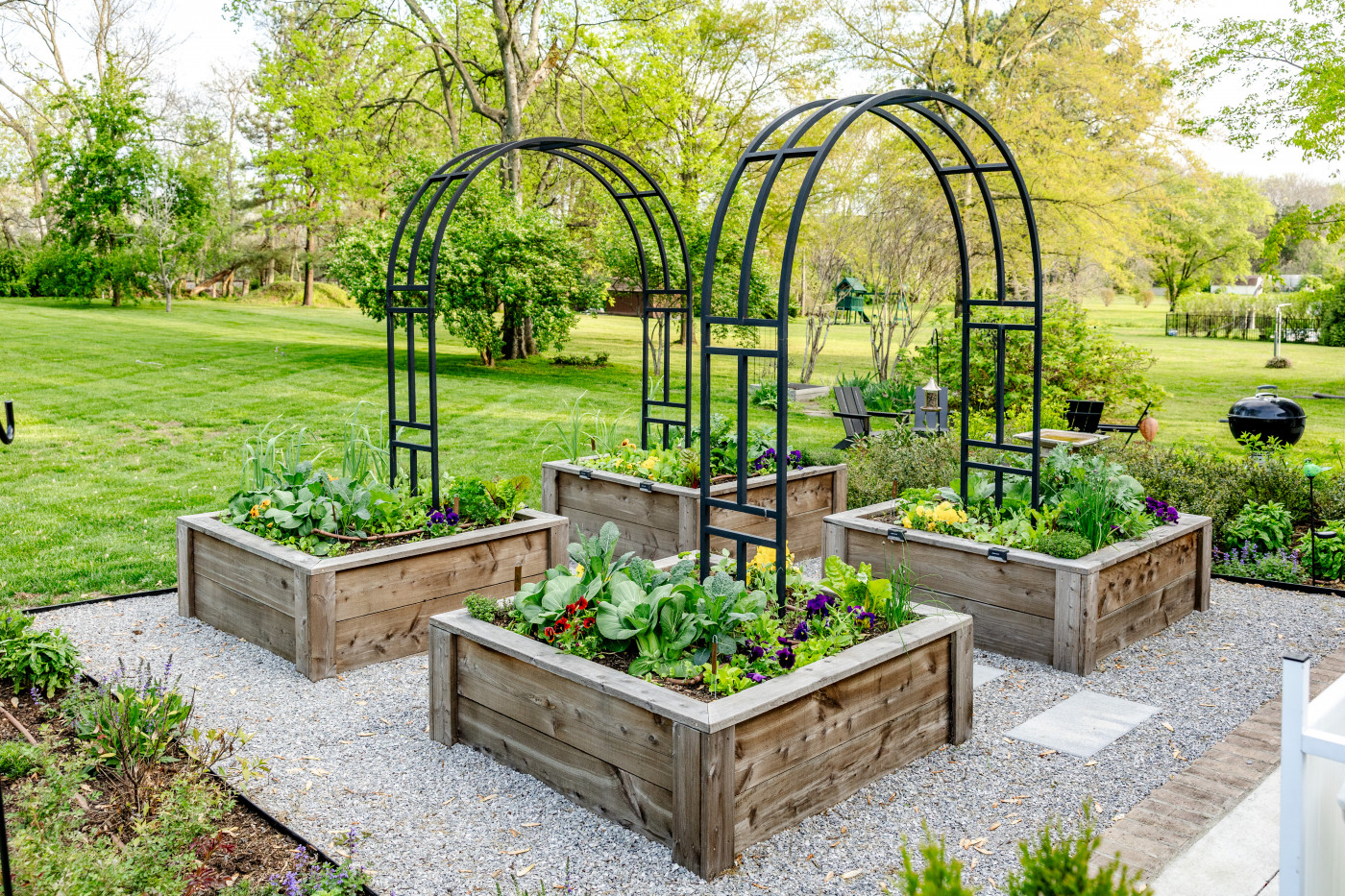
Containers and raised beds offer precise control over soil quality, drainage, and spacing. They are particularly effective for areas with poor native soil or restricted outdoor space.
Selecting appropriately sized containers, using high-quality soil mixes, and ensuring proper drainage promotes healthy root development. Raised beds reduce compaction, improve soil warmth, and allow for more intensive planting arrangements, enhancing overall productivity.
Fertile Companion Strategies
Integrating nitrogen-fixing plants, deep-rooted species, and mulch enriches soil fertility naturally. Rotating crops with complementary nutrient needs prevents soil depletion and supports long-term sustainability.
Dynamic planting combinations, such as intercropping vegetables with aromatic herbs, not only improve soil health but also enhance pest resistance and pollinator activity, contributing to a thriving garden ecosystem.
Growth Enhancing Practices
Techniques like thinning seedlings, pinching back shoots, and careful staking prevent overcrowding and promote robust growth. Adjusting plant density ensures adequate light and airflow, reducing disease risk and improving vigor.
Supplemental feeding with organic fertilizers during key growth stages supports flowering, fruiting, and foliage development. Controlled irrigation, mulching, and consistent pruning optimize resource allocation, ensuring plants reach their full potential.
Embracing Biodiversity
A diverse plant selection enhances resilience and overall garden success. Combining flowers, shrubs, trees, and edible plants attracts a variety of pollinators, beneficial insects, and wildlife.
Biodiversity reduces vulnerability to pests, disease, and environmental stress. It creates a balanced ecosystem where plants, animals, and microorganisms interact harmoniously, fostering long-term productivity and sustainability.
Long-Term Growth Planning
Sustainable success depends on planning for long-term growth. Anticipating mature plant sizes, spacing requirements, and growth rates ensures a balanced and manageable outdoor garden.
Periodic assessment and adaptation maintain harmony among plantings, structures, and pathways. Long-term planning minimizes disruptions, supports healthy ecosystems, and preserves the visual and functional integrity of the garden.
Integrating Technology
Modern gardening tools and technology facilitate growth management. Soil moisture sensors, automated irrigation systems, weather tracking apps, and plant health monitors optimize resource use and enhance efficiency.
Technology assists in precision watering, timely fertilization, and monitoring environmental conditions, increasing the likelihood of a successful outdoor garden while reducing labor intensity.
Encouraging Sustainable Practices
Sustainability supports both garden health and environmental responsibility. Rainwater collection, composting, and organic pest control methods reduce reliance on chemical inputs.
Permaculture principles, such as layering, polyculture, and resource recycling, improve soil fertility, conserve water, and create a self-sustaining ecosystem. Sustainable practices reinforce growth success while minimizing ecological impact.
Adapting to Microclimates
Understanding microclimates within the garden allows for optimal plant placement and improved growth outcomes. South-facing slopes, shaded corners, and sheltered pockets each offer unique conditions.
Placing heat-loving species in sun-drenched areas and shade-tolerant plants in cooler sections maximizes survival and productivity. Recognizing subtle temperature, wind, and moisture variations enables gardeners to exploit microclimates for consistent success.
Continuous Learning and Experimentation
A successful outdoor garden thrives on curiosity, observation, and experimentation. Trying new plant varieties, testing different soil amendments, or implementing alternative growth techniques promotes knowledge acquisition.
Learning from successes and failures informs future decisions, ensuring continuous improvement and innovation. The willingness to experiment fosters creativity, adaptability, and ultimately, a more successful and vibrant garden.
A successful outdoor garden emerges from careful planning, attentive care, and strategic growth practices. Understanding environmental conditions, selecting appropriate plants, and optimizing soil, water, and light are fundamental to long-term success.
Integrating companion planting, biodiversity, sustainable methods, and technological tools enhances productivity while minimizing stress and vulnerability. Seasonal planning, monitoring, and adaptability ensure that the outdoor garden remains dynamic and resilient year-round.
Through a combination of foresight, practical techniques, and creativity, gardeners can cultivate a thriving, lush, and visually captivating outdoor space. Growth tips applied with diligence transform ordinary plantings into a successful outdoor garden that flourishes with vigor, diversity, and lasting beauty.
About the Author






