
Creating a Fun Outdoor Garden is about more than just pretty flowers or decorative shrubs. It is about cultivating a living space that brings joy, flavor, and purpose to your daily life. When you grow edible plants, your garden becomes a source of nourishment and satisfaction. It is not only beautiful to look at but also practical and engaging. Whether you have a sprawling backyard or a compact patio, integrating edible elements adds a delightful twist to outdoor living.
The Joy of Growing and Eating What You Plant
There is a special thrill in harvesting your own food. Watching a seed sprout, mature, and eventually turn into something you can taste connects you to the rhythms of nature in a deeply rewarding way. It transforms gardening from a hobby into a lifestyle.
Edible gardening makes outdoor spaces interactive. Children learn patience and responsibility, adults find a calming escape from screens, and everyone gains a deeper appreciation for fresh food. Plus, growing your own produce reduces waste, cuts grocery costs, and ensures that what you eat is free from unnecessary chemicals.
Choosing the Right Edible Plants
Not every plant thrives in every environment. Selecting the right edibles depends on sunlight, soil type, and available space. For a garden that stays fun and manageable, start with versatile crops that are easy to maintain and deliver consistent yields.
Leafy Greens
Spinach, kale, and lettuce are beginner-friendly choices. They grow quickly and can be harvested multiple times. Plant them in raised beds or containers for easy access. Leafy greens also add a fresh aesthetic with their vibrant shades of green.
Herbs
Herbs are the unsung heroes of every garden. Basil, rosemary, thyme, mint, and parsley require minimal space and thrive in both ground beds and pots. They perfume the air, attract pollinators, and add flavor to nearly any dish. Herbs symbolize practicality and pleasure—beautiful to look at and delightful to use.
Fruits and Berries
Few things feel as indulgent as picking a ripe strawberry or blueberry straight from your own garden. Berry bushes can be ornamental while serving a functional role. Dwarf fruit trees such as lemon, fig, or apple can even flourish in containers.
Root Vegetables
Carrots, radishes, and beets add a hidden dimension beneath the soil. They are low-maintenance and surprisingly forgiving to novice gardeners. Their earthy colors and crisp textures bring satisfaction to any harvest.
Designing an Edible Landscape
A garden that mixes edibles and ornamentals can look as polished as any decorative landscape. Edible landscaping integrates beauty with functionality.
Interplant colorful lettuces with marigolds, surround fruit trees with lavender borders, or let climbing beans trail elegantly over arches. The idea is to blur the line between what is purely decorative and what is consumable.
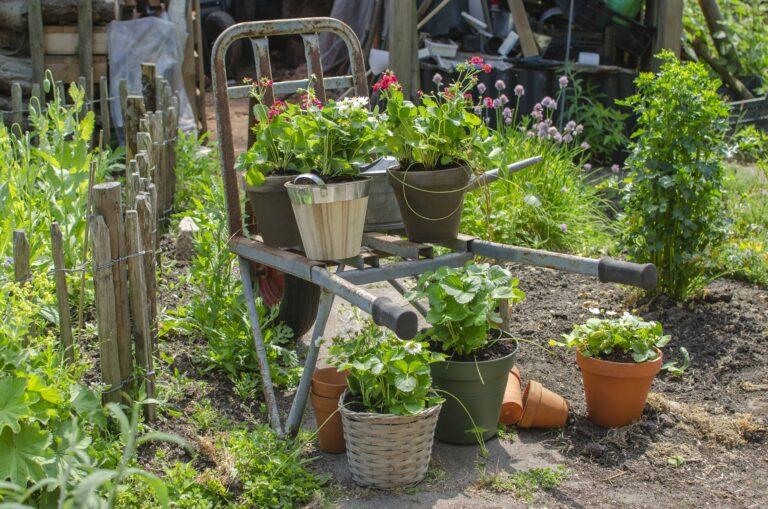
Use raised beds or vertical gardens to make harvesting easier and more accessible. Wooden boxes, repurposed crates, or even stacked terracotta pots create structure and visual interest while supporting plant growth.
Balancing Aesthetics and Productivity
The best edible gardens are both pleasing to the eye and productive. Balance can be achieved through thoughtful layout and repetition. Place taller plants like corn or tomatoes at the back, medium-height plants like peppers in the middle, and low-growing herbs at the front.
Symmetry and color contrast also enhance visual harmony. For example, pair purple basil with green lettuce or golden squash blossoms with dark kale leaves. Mixing textures—soft herbs with structured vegetables—adds depth and dimension.
Container Gardening for Limited Spaces
Even if you lack a large backyard, containers can transform a small balcony into a green haven. Choose lightweight, well-draining pots and match them with plants suited for compact growing.
Tomatoes, peppers, strawberries, and herbs all adapt beautifully to pots. Group them together by sunlight needs to simplify watering and care. Hanging baskets filled with trailing cherry tomatoes or edible flowers like nasturtiums save floor space while adding color and flair.
Container gardening also allows flexibility—you can rearrange plants with the changing seasons or experiment with new crops without disturbing the entire garden.
The Fun in Experimenting with Edibles
Gardening becomes an adventure when you experiment with unique or exotic edibles. Try purple carrots, rainbow chard, or heirloom tomatoes in uncommon colors. Unusual plants like lemongrass, okra, or edible nasturtiums spark curiosity and add an exotic touch.
Mixing culinary curiosity with horticultural exploration keeps gardening exciting. Every season offers an opportunity to test new varieties and discover new favorites.
Culinary Creativity Begins in the Garden
Cooking with garden-fresh ingredients turns mealtime into a creative celebration. Imagine tossing crisp lettuce with homegrown cherry tomatoes and fragrant basil or infusing water with freshly picked mint.
Herbs elevate sauces, soups, and marinades. Edible flowers such as calendula or borage make desserts and salads visually stunning. The flavor difference between store-bought and freshly harvested produce is remarkable—vivid, aromatic, and full of life.
Sustainable Practices for a Healthy Garden
A truly enjoyable garden should also be eco-friendly. Sustainability ensures long-term productivity and reduces environmental strain. Composting food scraps and garden waste enriches soil naturally. Collecting rainwater for irrigation conserves resources.
Avoid synthetic fertilizers and pesticides. Instead, rely on organic methods such as companion planting or natural pest deterrents. For example, marigolds repel aphids, and basil discourages mosquitoes. Healthy soil, biodiversity, and mindful water use make the garden thrive effortlessly.
Involving the Whole Family
Gardening can be a shared experience. Involving family members, especially children, makes the activity both educational and bonding. Assign small tasks like watering, harvesting, or labeling plants.
Kids are more likely to eat vegetables they helped grow. It teaches patience, responsibility, and respect for food sources. Even a small edible project—like growing herbs in kitchen windowsills—can ignite lifelong curiosity about nature and nutrition.
Integrating Playfulness in the Design
Practical does not have to mean plain. Add whimsical touches to make the space lively. Paint containers in bright hues, use quirky garden markers, or repurpose old furniture as planting stations.
Install a small picnic nook surrounded by herbs or a mini reading corner under a fruit tree. A garden should inspire interaction. The more fun and approachable it feels, the more time you will want to spend in it.
Edible Flowers That Add Charm
Edible flowers are a wonderful fusion of beauty and flavor. Pansies, violets, nasturtiums, and calendula are vibrant choices that can be sprinkled over salads or desserts. Chive blossoms and squash flowers also add flair to culinary creations.
They are conversation starters—impressive to guests and satisfying to grow. Their colorful presence turns a simple meal into an artistic experience.
The Healing Power of Gardening
Tending to plants has proven therapeutic benefits. It reduces stress, enhances mood, and fosters mindfulness. The sensory experience of touching soil, smelling herbs, and tasting fresh produce can be grounding and joyful.
A garden filled with edible plants engages all five senses. The sound of rustling leaves, the texture of herbs between your fingers, and the sweetness of fresh berries remind you to slow down and savor the moment.
Year-Round Productivity
With the right planning, your edible garden can yield produce throughout the year. In warmer months, focus on fast-growing vegetables and herbs. During cooler seasons, plant hardy crops like spinach, kale, and carrots.
Indoor growing setups or mini greenhouses can extend your harvest period. Rotating crops seasonally keeps the soil balanced and prevents pest buildup. The garden remains dynamic, providing fresh produce even in off-seasons.
Sharing the Harvest
One of the most rewarding aspects of an edible garden is sharing the fruits of your labor. Offer herbs to neighbors or gift baskets of fresh produce to friends. It builds community and spreads the joy of homegrown food.
Excess yields can be preserved through drying, freezing, or pickling. Homemade jams, herb salts, or infused oils make thoughtful and sustainable gifts.
Creating a Garden for All Seasons
Designing with seasonal adaptability keeps your space visually engaging year-round. Spring welcomes seedlings and herbs, summer offers bountiful harvests, autumn transitions into root crops, and winter highlights structure and evergreens.
Perennial plants like asparagus, rhubarb, and some herbs come back each year, reducing maintenance while maintaining continuity. Mixing perennials and annuals ensures both consistency and novelty.
Mindful Gardening for Future Growth
Mindfulness in gardening goes beyond sustainability. It involves observing and adapting to the ecosystem you create. Notice which plants thrive, which struggle, and how pollinators interact with your blooms.
Becoming attentive to your garden’s rhythm fosters deeper satisfaction. It is not about perfection but progression—learning with each season and improving the landscape’s harmony.
Embracing the Lifestyle
Ultimately, cultivating edibles in your garden is about embracing a lifestyle rooted in joy, creativity, and health. It bridges the gap between outdoor leisure and practical living. The act of planting, nurturing, and harvesting transforms an ordinary plot of land into a source of continual inspiration.
The result is a garden that not only pleases the eye but feeds the body and soul. Growing your own edibles reminds you that the best kind of luxury is self-made—fresh, flavorful, and endlessly fulfilling.
A garden built this way becomes more than a space. It becomes a story of growth, connection, and discovery, written one seed at a time.
About the Author






