
Creating an inviting atmosphere in a Cozy Outdoor Garden begins with thoughtful seating arrangements. A well-designed outdoor space encourages relaxation, social interaction, and personal reflection. Whether nestled in a quiet corner or centered around a vibrant flower bed, seating options can dramatically enhance the comfort and appeal of your garden retreat.
Choosing the Right Seating Materials
Material selection is crucial for comfort and durability. Wooden benches, wicker chairs, and metal frames each offer unique aesthetic and practical advantages. Hardwood benches like teak or cedar provide a natural warmth while resisting the elements, ensuring longevity and style.
Wicker or rattan furniture adds a classic, intimate touch, ideal for creating a snug atmosphere. Metal chairs with cushions combine durability with versatility, allowing for easy repositioning within the garden. Consider blending materials for an eclectic yet cohesive look.
Incorporating Soft Furnishings
Adding cushions, throws, and pillows transforms rigid seating into plush, inviting spaces. Fabrics that resist moisture and fading maintain appearance across seasons while enhancing comfort.
Layering textures, such as combining linen with soft cotton or velvet accents, adds visual depth and tactile interest. These details make each seating spot feel personal, encouraging lingering and enjoyment.
Designing Seating Nooks
Strategically placing seating in secluded areas creates intimate retreats. Corners framed by hedges, trellises, or tall perennials offer privacy and a sense of enclosure.
Curved benches or semi-circular arrangements around a focal point, such as a water feature or fire pit, foster conversation while maintaining a cozy feel. Nooks like these can serve as personal sanctuaries or social gathering points depending on garden layout.
Multi-Functional Seating Options
Consider multifunctional seating to maximize space and utility. Storage benches or built-in window seats can provide both comfort and practicality, keeping cushions, tools, or outdoor accessories organized.
Foldable chairs and modular sofas offer flexibility, allowing you to adjust arrangements for gatherings, quiet reflection, or seasonal changes. This adaptability ensures the garden remains functional and inviting throughout the year.
Integrating Hammocks and Swings
Hammocks and swings introduce a playful, relaxed element to outdoor seating. Hanging chairs in shaded areas or between sturdy trees create gentle, rocking comfort that encourages relaxation.
Outdoor swings with canopy covers provide both shade and charm, blending seamlessly with plantings and other garden features. These additions offer dynamic seating options while enhancing the cozy outdoor garden ambiance.
Utilizing Built-In Seating Structures
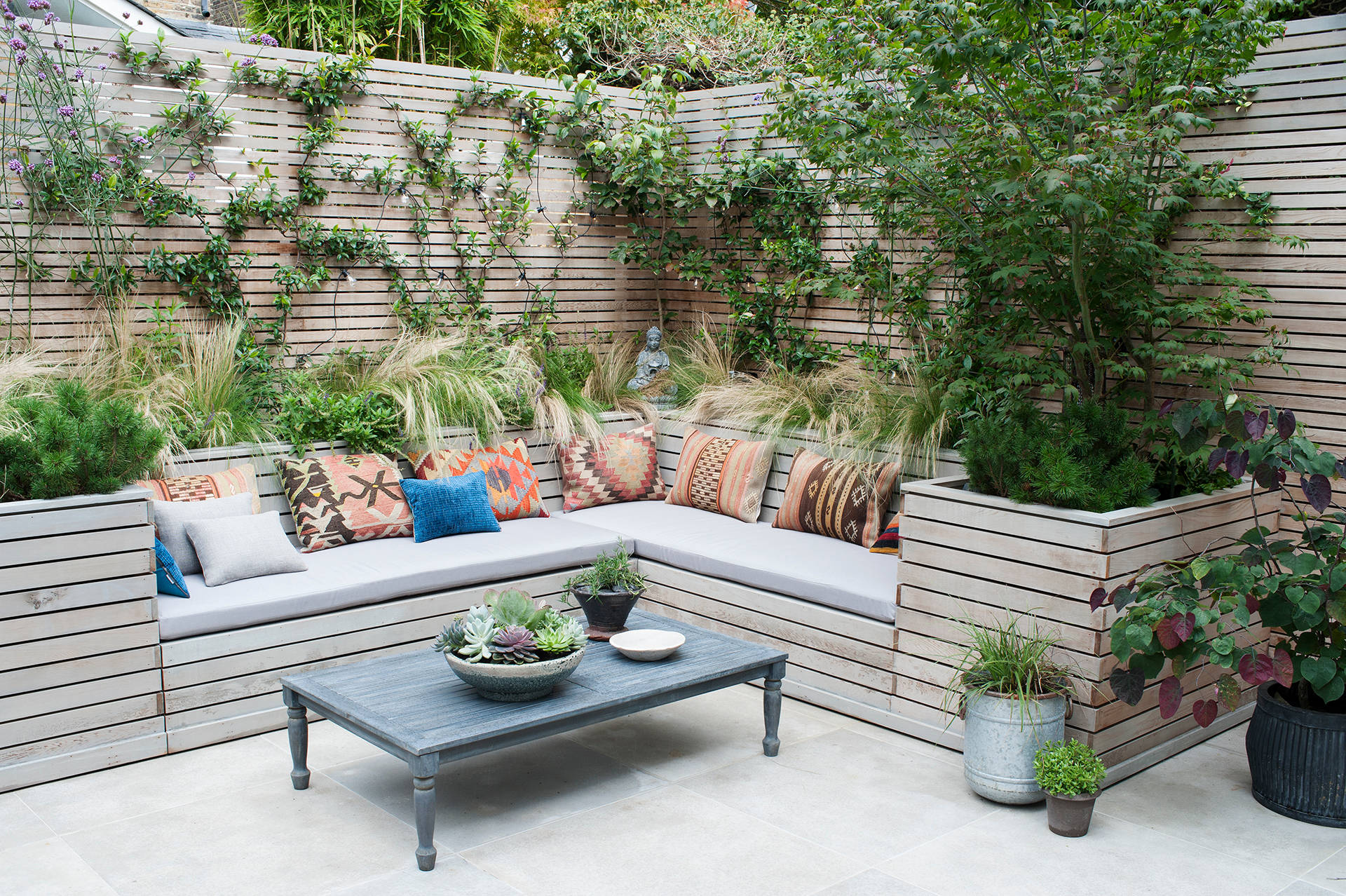
Built-in seating, such as stone or brick benches, adds permanence and structure to garden design. These installations can be integrated into retaining walls, raised planters, or along pathways to provide functional yet aesthetically pleasing options.
Combining built-in seating with soft furnishings ensures comfort without sacrificing durability. Additionally, these structures can define zones within the garden, delineating spaces for relaxation, dining, or contemplation.
Creating Shade and Shelter
Comfortable seating relies on protection from sun and rain. Pergolas, umbrellas, and shade sails provide relief from harsh sunlight, making outdoor seating enjoyable during hot summer days.
Vining plants like wisteria or climbing roses on pergolas enhance both shade and visual appeal. Temporary or permanent canopies also create intimate microclimates, enhancing the cozy atmosphere while allowing for extended use regardless of weather conditions.
Arranging Seating Around Focal Points
Positioning seating around focal points like fire pits, water features, or ornamental sculptures draws attention and encourages social interaction. Circular arrangements promote conversation, while angled seating can provide views of garden highlights.
Using plants, lighting, or decorative screens to frame these focal points reinforces the sense of enclosure and warmth, creating a welcoming retreat within the outdoor space.
Layering Lighting for Comfort and Ambiance
Outdoor lighting extends usability into evening hours. Soft string lights, lanterns, and solar path lights create a warm glow, enhancing the cozy atmosphere.
Layered lighting, such as combining ground-level illumination with overhead accents, allows for both functionality and mood setting. Dimmable lights or lanterns on tables provide flexibility, enabling intimate dinners or casual gatherings.
Selecting Colors and Textures
Color palettes influence the perception of comfort and cohesion. Earth tones, muted pastels, and warm hues harmonize with natural surroundings, enhancing the cozy outdoor garden feel.
Textural contrasts between cushions, rugs, and seating surfaces add depth and tactile appeal. Combining woven materials with smooth metals or rough-hewn wood creates a dynamic yet inviting aesthetic.
Incorporating Movable and Flexible Seating
Flexibility ensures the garden can adapt to changing needs. Lightweight chairs, stools, or poufs allow for rearrangement to suit gatherings, reading nooks, or personal reflection spaces.
Stackable or foldable options facilitate storage during off-season months, maintaining accessibility while protecting furniture from harsh weather. This flexibility encourages frequent use and experimentation with seating configurations.
Adding Personal Touches
Personalization enhances the sense of intimacy and ownership in a cozy garden retreat. Decorative lanterns, patterned cushions, and unique plant pots reflect individual style while creating inviting atmospheres.
Integrating small side tables, trays, or footrests increases functionality, allowing for drinks, books, or garden tools to remain accessible. These thoughtful additions encourage longer stays and more meaningful interactions with the space.
Maximizing Views and Vistas
Orienting seating to highlight garden features or natural vistas maximizes enjoyment. Benches near flowering beds, ponds, or tree canopies encourage observation and relaxation.
Strategic placement also ensures sunlight and shade balance, enhancing comfort throughout the day. By considering sightlines and perspectives, seating arrangements contribute to both aesthetic appeal and experiential quality.
Encouraging Social Interaction
For social gatherings, group seating arrangements foster connection and engagement. Sectional sofas, circular benches, or paired chairs around central tables create conversation-friendly spaces.
Incorporating multiple small seating areas throughout the garden allows for flexible socialization, accommodating larger groups without feeling crowded. This zoning approach supports both intimate and communal experiences within the cozy outdoor garden.
Seasonal Adaptations
Adapting seating to seasonal changes ensures comfort year-round. Adding weatherproof cushions, blankets, or outdoor heaters extends usability into cooler months.
Plantings and shade structures can be adjusted or supplemented with seasonal decor to maintain aesthetic continuity. Seasonal adaptation maintains the appeal and functionality of seating areas regardless of climate fluctuations.
Maintaining Comfort and Cleanliness
Regular maintenance preserves the cozy ambiance of outdoor seating. Cleaning surfaces, fluffing cushions, and rotating furniture prevents wear and extends longevity.
Protecting materials with covers or weatherproof treatments ensures seating remains inviting and resilient. A well-maintained space reinforces comfort and encourages regular use, sustaining the garden’s role as a retreat.
Integrating Natural Elements
Seating surrounded by lush plantings, water features, or natural stone enhances sensory engagement. The interplay of textures, scents, and sounds reinforces relaxation and connection to the environment.
Strategically placed plants can also provide privacy, shade, or visual interest, making seating areas feel nestled and intimate within the larger garden.
Creating Multi-Level Seating
Terraced or multi-level seating introduces dynamic perspectives and functional variety. Steps or platforms with integrated benches provide elevated views, while lower areas create intimate corners.
This variation in height encourages exploration and interaction with different areas of the garden, enhancing the sense of discovery and comfort.
Accessibility Considerations
Ensuring seating is accessible to all visitors enhances inclusivity and usability. Wide pathways, stable surfaces, and seating with appropriate height and support promote comfort for individuals of all ages and abilities.
Thoughtful design ensures the cozy outdoor garden can be enjoyed fully by everyone, reinforcing its role as a welcoming retreat.
Enhancing Acoustics
Incorporating elements that soften or enhance sound contributes to a relaxing environment. Water features, plantings, and soft furnishings reduce harsh noises while providing gentle ambient sounds.
This attention to acoustics enhances the sense of tranquility, supporting mental relaxation and creating a more immersive outdoor experience.
Blending Seating with Garden Design
Seating should complement overall garden design, integrating colors, textures, and styles with surrounding plantings and structures. Cohesion between furniture and garden elements creates a seamless, inviting environment.
For example, rustic wooden benches paired with natural stone paths maintain a harmonious, organic feel, while contemporary metal seating might be accented by structured hedges or geometric planters.
Encouraging Mindfulness and Reflection
Cozy seating areas provide spaces for meditation, reading, or quiet contemplation. Orienting seating to capture morning light or afternoon shade supports mindfulness practices and personal wellness.
Adding personal touches, such as a journal, small table, or favorite plant, reinforces the sense of retreat and encourages intentional use of the garden.
Designing cozy seating for outdoor garden retreats requires a balance of comfort, style, and functionality. Through careful material selection, strategic placement, and thoughtful accessories, seating areas can transform a garden into an inviting sanctuary.
Incorporating shade, lighting, flexible arrangements, and multi-level options ensures spaces remain functional and appealing throughout the seasons. Integrating natural elements, personalized touches, and attention to accessibility and acoustics enhances relaxation and social engagement.
By combining these strategies, a cozy outdoor garden becomes more than a landscape—it evolves into a retreat that nurtures relaxation, creativity, and connection with nature. Thoughtful seating design ensures that every corner offers comfort, visual appeal, and an enduring sense of peace.
About the Author






