
A Exploring Outdoor Garden is more than just a collection of plants, structures, and decorative elements. It is a living canvas where every path, corner, and transition can spark curiosity and invite movement. Well-designed pathways guide visitors through varying textures, colors, and spatial experiences, encouraging them to pause, admire, and discover. These pathways not only serve functional purposes but also create a sense of adventure and wonder within the outdoor space.
The Role of Pathways in Outdoor Garden Design
Pathways are the circulatory system of a garden. They connect spaces, delineate areas, and provide a visual narrative for the visitor. A thoughtfully designed path can lead from a quiet seating nook to a vibrant flower bed, or from a shaded grove to a sunlit meadow.
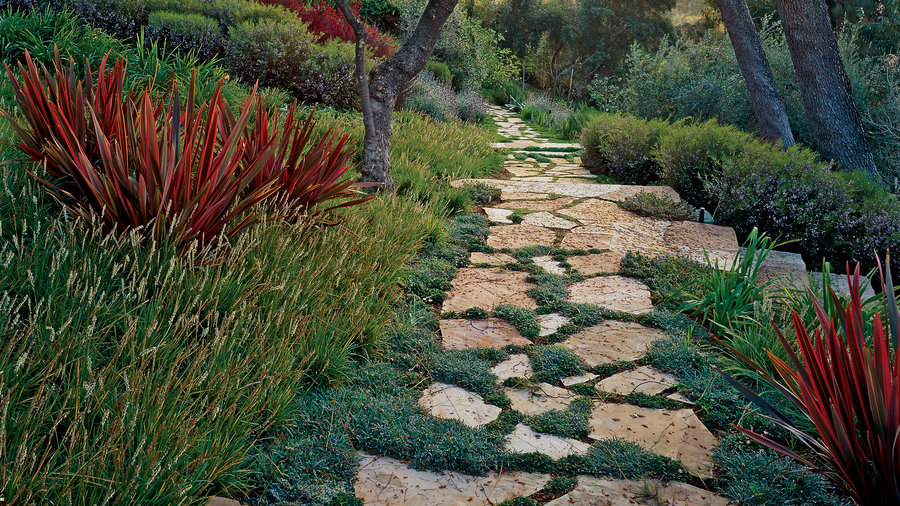
Materials and layout play a crucial role in shaping the exploration experience. Natural stone conveys timeless elegance and permanence, while gravel offers casual texture and gentle crunching underfoot. Wooden boardwalks bring a warm, organic feel, ideal for connecting water features or raised beds. The choice of materials and their arrangement can dramatically influence the perceived journey through the garden.
Guiding Principles for Path Design
Effective path design balances aesthetics, functionality, and safety. Width, slope, and surface stability must accommodate various types of visitors, from casual walkers to children and elderly family members. Gentle curves, unexpected turns, and alternating widths can create a sense of intrigue, encouraging visitors to explore further.
Incorporating focal points along the path enhances engagement. Sculptures, water features, or distinctive plants act as visual anchors, drawing attention and subtly guiding movement. Lighting along pathways extends usability into the evening, providing safety while highlighting textures and colors that transform under nocturnal illumination.
Materials That Inspire Exploration
Material selection profoundly influences the sensory experience. Gravel paths offer a soft, rustling sound that engages hearing, while flagstone provides tactile variation underfoot. Stepping stones across a shallow water feature can create playful interaction, inviting a sense of adventure.
Combining multiple materials can define separate zones within the garden. A wooden deck may indicate a gathering area, while compacted earth or crushed stone signifies casual strolling paths. Contrasting textures, colors, and patterns encourage visitors to pay closer attention to their surroundings, amplifying the sense of exploration.
Curved vs. Straight Paths
Straight paths provide clarity and directness, suitable for connecting primary areas of the garden efficiently. However, curved paths create a sense of mystery, concealing views and revealing new experiences gradually.
Sinuous paths that meander through shrubs or flower beds invite lingering and observation. This design approach encourages visitors to explore rather than merely traverse, transforming movement into a more immersive experience. Strategic placement of curves can also create microclimates for shade-tolerant or sun-loving plants, enhancing the garden’s diversity.
Incorporating Elevation Changes
Elevation shifts add dynamic interest and encourage discovery. Gentle slopes, small steps, or terraced pathways break monotony and provide unique vantage points. A slightly raised pathway through a wildflower meadow offers an elevated perspective, while a descending path toward a pond reveals reflections and aquatic life gradually.
Varying elevation can also support plant health. Sloped areas improve drainage, while raised beds along paths increase accessibility and showcase foliage and blooms more prominently. Careful grading ensures safety and ease of movement without sacrificing aesthetic impact.
Integrating Plantings Along Pathways
Plant selection alongside paths transforms ordinary walkways into immersive environments. Layered plantings with varying heights, textures, and colors stimulate curiosity and guide exploration. Fragrant herbs or flowers can enhance the sensory experience, while seasonal plants provide changing focal points throughout the year.
Edges of pathways can incorporate low-growing ground covers to define borders, while taller shrubs or ornamental grasses create pockets of concealment. This interplay of visibility and concealment encourages visitors to explore each turn, discovering hidden surprises along the way.
Water Features and Path Interaction
Paths that interact with water features add sensory richness and draw attention to subtle elements. Narrow wooden bridges over streams or stepping stones across ponds create interactive experiences that engage both sight and movement.
The sound of flowing water combined with tactile sensations underfoot deepens the sense of immersion. Paths that approach water edges without overwhelming the feature allow visitors to appreciate reflections, wildlife, and textures up close, enhancing the exploratory nature of the garden.
Lighting to Extend Exploration
Outdoor garden exploration does not need to end with daylight. Strategically placed lighting illuminates paths, highlights focal points, and casts artistic shadows that transform familiar spaces. Soft LED lights, solar lanterns, or uplighting around key plants encourage evening strolls while maintaining safety.
Dynamic lighting can lead the eye along winding paths, revealing textures and patterns previously unnoticed. Subtle illumination enhances a sense of discovery, allowing the garden to inspire exploration at any hour.
Creating Hidden Corners and Nooks
Paths can be designed to reveal intimate corners, secluded seating areas, or unexpected focal points. These micro-environments offer moments of reflection, rest, and closer observation of plant life.
Enclosed arbors, pergolas, or strategically planted hedges create these semi-hidden spaces. Visitors encounter these areas organically as they follow the path, rewarding curiosity and fostering a deeper connection to the garden environment.
Seasonal Pathway Planning
Paths should be planned with seasonal variation in mind. Spring blossoms, summer foliage, autumn colors, and winter textures each offer distinct experiences. Designing paths to highlight seasonal shifts encourages repeated visits and ongoing exploration.
Consider plantings that change height, color, or form throughout the year. Pathways that adapt visually with the seasons maintain interest and continuously inspire movement through the garden.
Encouraging Biodiversity Through Pathways
Paths can also promote ecological health. Incorporating native plant corridors, pollinator-friendly zones, and bird-friendly vegetation along pathways enhances biodiversity.
These design elements not only enrich visual and sensory experiences but also encourage visitors to observe wildlife interactions. The presence of insects, birds, and small mammals adds layers of discovery and engagement to the outdoor garden.
Materials for Low-Maintenance Exploration
While aesthetics are essential, durability and ease of maintenance ensure long-term usability. Materials that resist erosion, withstand foot traffic, and complement the garden’s style reduce upkeep while maintaining the quality of exploration.
Permeable surfaces allow water to infiltrate, protecting surrounding plantings. Durable woods, composite decking, or natural stone can provide long-lasting structure with minimal intervention, ensuring paths remain inviting throughout seasons.
Connecting Thematic Zones
Paths can link thematic areas within a garden, providing narrative continuity. A culinary herb garden may lead to a tranquil meditation space, which in turn opens onto a colorful flower display or a vibrant vegetable patch.
Each transition is an opportunity to surprise and engage visitors. The deliberate sequencing of themes encourages a sense of journey and discovery, transforming the garden from a static space into a dynamic narrative landscape.
Interactive Elements Along Paths
Incorporating interactive features increases engagement. Sensory gardens, touchable plants, or small water interactions along paths invite participation and enhance the exploratory experience.
Stepping stones with inscriptions, hidden sculptures, or playful ground textures can turn a simple walk into a memorable journey. Interactive elements stimulate curiosity, encouraging visitors to slow down and fully engage with their surroundings.
Safety and Accessibility Considerations
While inspiring exploration is the goal, safety and accessibility are essential. Paths should accommodate different mobility levels, with gentle slopes, stable surfaces, and clear edges.
Non-slip materials, rounded corners, and appropriate lighting reduce risk while maintaining aesthetic appeal. Universal design ensures that the garden remains inviting to all visitors, encouraging exploration without barriers.
Encouraging Reflection and Pause
Well-placed benches, small clearings, or shaded alcoves provide opportunities to pause and absorb the surroundings. These spaces enhance the sense of journey, allowing visitors to reflect and fully appreciate the outdoor garden’s layers of design and biodiversity.
Resting spots strategically located along paths transform exploration into a holistic experience, balancing movement with contemplation.
Designing for Multiple Perspectives
Paths that change elevation, curve around features, or meander through plantings create shifting perspectives. Visitors perceive familiar elements differently as they move, promoting continuous engagement and discovery.
Designing from multiple vantage points ensures that each step provides new visual, tactile, or auditory experiences. This dynamic approach transforms the act of walking through the garden into a multi-sensory adventure.
Paths are more than functional elements; they are invitations to explore, discover, and connect with the outdoor garden environment. By carefully considering materials, layout, planting, lighting, and interactive features, pathways can transform a garden into a living narrative that stimulates curiosity and engagement.
Curved routes, elevation changes, hidden corners, and seasonal highlights encourage visitors to move thoughtfully, pause frequently, and notice the subtle intricacies of plant life and design. Safe, accessible, and visually engaging paths foster both exploration and reflection, creating a truly immersive garden experience.
Through thoughtful path design, an outdoor garden becomes a space that continuously inspires movement, discovery, and connection, transforming ordinary walks into unforgettable journeys.
About the Author






