
The idea of reshaping daily routines, moods, and even perspectives can seem ambitious, yet it often begins with something surprisingly accessible: a thoughtfully designed garden. Outdoor spaces carry the potential to become more than a backdrop to our homes. They can evolve into restorative sanctuaries, places of productivity, and hubs for creativity. When cultivated with intention, a life changing garden provides more than aesthetic value. It nurtures health, enriches social connections, and redefines the relationship between people and the natural world.
The Garden as a Living Extension of Home
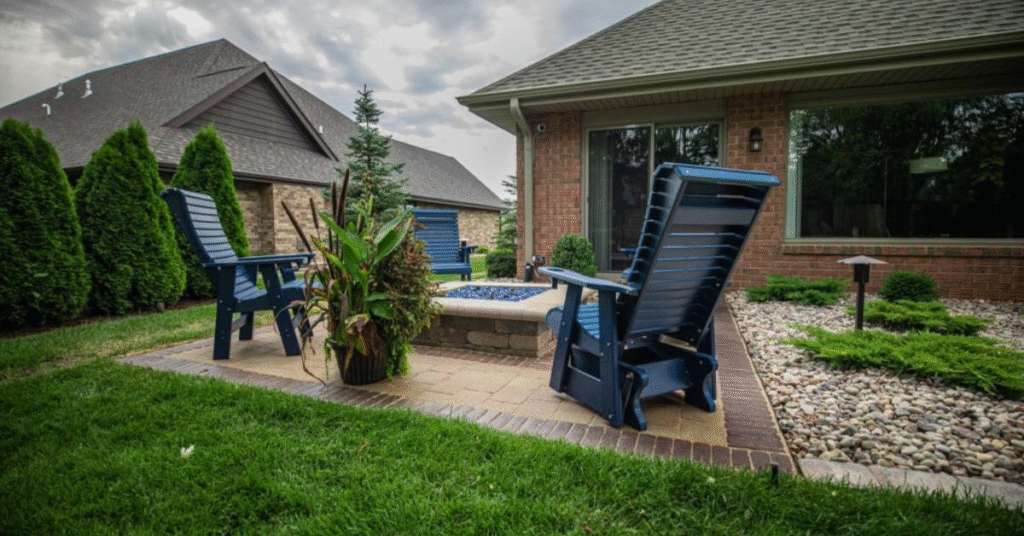
Homes feel most complete when the outdoors is treated as an integral part of living. A garden extends walls into open skies, giving families and individuals fresh air, light, and space to breathe. Unlike interiors, gardens are not static. They grow, shift, and adapt, offering constant novelty that enriches daily life.
This living extension can serve multiple purposes. For some, it becomes a dining room under the stars, while for others, it doubles as a morning meditation retreat. Children may view it as an adventurous playground, while adults treat it as an arena for social gatherings. By weaving lifestyle needs into garden design, the outdoors transitions from a decorative area to a vital room of the house.
Emotional Resonance of Green Spaces
Human psychology responds powerfully to greenery. Studies confirm that time spent in outdoor environments reduces stress, lowers blood pressure, and boosts mood. Gardens, even modest ones, provide micro-restorative experiences. A short stroll among blooming flowers or a quiet pause under a tree canopy offers measurable benefits for mental well-being.
Beyond measurable effects, gardens carry intangible charm. The sight of morning dew, the flutter of butterflies, and the fragrance of herbs collectively spark joy. These small, cumulative moments build emotional resilience, reminding individuals of the grounding power of nature.
Designing Spaces for Connection
Gardens thrive as social anchors. They bring people together for celebrations, casual evenings, or heartfelt conversations. A table set among blooms feels more inviting than one placed indoors, simply because the surroundings encourage relaxation and openness. Outdoor kitchens, fire pits, or shaded lounges extend the capacity for gatherings, ensuring that social life flows seamlessly between indoors and outdoors.
Designing for connection involves considering movement and accessibility. Paths should invite exploration, seating areas should encourage interaction, and plant groupings should frame conversation zones. In this way, the garden itself becomes a quiet host, setting the stage for togetherness.
Gardens as Creative Retreats
While social functions are vital, gardens also shine as solitary refuges. Writers, artists, and thinkers often draw inspiration from the natural world. A well-crafted outdoor space can amplify this inspiration. The interplay of light and shadow, the unpredictability of weather, and the ever-changing colors of flora stimulate imagination.
Incorporating features like water fountains, sculptural accents, or secluded alcoves adds layers of sensory engagement. These areas invite creative pursuits, offering both focus and freedom. They remind us that creativity often thrives when nurtured by beauty and tranquility.
Productive Gardens: Food and Functionality
A transformative outdoor space need not focus solely on visual pleasure. Productive gardens combine beauty with function, offering fresh harvests of fruits, vegetables, and herbs. The act of growing food reconnects individuals with the origins of nourishment, fostering appreciation for sustainability and effort.
Raised beds, vertical planters, and companion planting methods ensure even small spaces can provide abundance. Beyond food, these gardens cultivate responsibility. Watering, pruning, and harvesting become grounding rituals that instill discipline while rewarding patience.
The Healing Power of Outdoor Gardens
Therapeutic gardening is not a new concept. Hospitals, rehabilitation centers, and wellness retreats frequently incorporate green spaces into their design for good reason. Outdoor gardens act as natural therapy rooms, accelerating healing and offering comfort.
On a personal scale, homeowners can design healing-focused spaces. Aromatic plants like lavender reduce anxiety, while textured foliage stimulates sensory engagement. Quiet corners equipped with comfortable seating encourage mindfulness, turning the garden into an everyday wellness tool.
Transforming Outdoor Spaces for All Ages
Gardens resonate differently depending on age, but they hold universal appeal. For children, gardens provide safe exploration, helping them discover textures, colors, and wildlife. Simple features like stepping stones or hidden nooks spark imagination. For adults, the garden becomes a sanctuary from professional stress. For seniors, it offers light exercise and a chance to maintain active engagement with nature.
Designing inclusively means ensuring accessibility. Smooth paths for strollers or wheelchairs, strategically placed benches, and clear sightlines make gardens welcoming for everyone. This inclusivity turns the space into a multigenerational hub, ensuring no one is left out of its benefits.
Seasonal Rhythms of Garden Life
The most captivating outdoor gardens embrace seasonality. Spring introduces bursts of color with blossoms and budding leaves. Summer brings full vibrancy, overflowing with lush greenery and fragrant air. Autumn transforms the space into a palette of fiery hues, while winter provides structural elegance through bare branches and evergreens.
Living alongside these rhythms nurtures patience and appreciation for cycles of change. Gardens remind us that transformation is constant, and beauty exists even in stillness. Seasonal variation ensures that no two months feel identical, offering perpetual novelty for those who spend time outdoors.
The Interplay of Design and Nature
Designing an outdoor garden requires balancing human intention with natural spontaneity. Too much control creates rigidity, while too little leaves chaos. The artistry lies in harmonizing the two. Structured paths may frame wildflower meadows, while geometric water features may sit beside untamed grasses.
This interplay ensures gardens feel curated yet alive. They become spaces where order and unpredictability coexist, echoing the very nature of life itself. By embracing this philosophy, gardens elevate beyond decoration into living metaphors for resilience and adaptability.
Technology and Modern Outdoor Living
While gardens often emphasize simplicity, modern innovations can enhance their utility. Smart irrigation systems conserve water, solar lighting extends usability into evenings, and modular furniture adapts to gatherings of different sizes. Outdoor sound systems, if carefully integrated, create ambiance without overwhelming the natural soundscape.
These additions should complement rather than overshadow. The goal is to use technology to support enjoyment and sustainability, allowing the garden to remain rooted in authenticity while embracing modern convenience.
Sustainability as a Guiding Principle
A truly transformative garden honors the environment. Sustainable design choices reduce waste, conserve resources, and support biodiversity. Native plants adapt naturally to local conditions, requiring less water and care. Composting returns nutrients to the soil, while rainwater harvesting lessens reliance on municipal supplies.
Pollinator-friendly flowers, birdhouses, and insect hotels invite wildlife, ensuring gardens function as ecosystems rather than isolated patches of greenery. In this way, outdoor spaces contribute to larger environmental goals, giving homeowners a sense of stewardship as well as enjoyment.
Small Spaces, Big Transformations
One of the most empowering truths about gardens is their adaptability to scale. Even a small balcony or courtyard can be designed with transformative impact. Vertical gardens, container arrangements, and compact water features maximize limited areas, proving that space does not dictate possibility.
In urban environments, these miniature gardens offer vital respites from concrete landscapes. They provide a patch of tranquility amid the bustle, affirming that outdoor sanctuaries are accessible to anyone, regardless of plot size.
Rituals and Daily Life Outdoors
To fully embrace the potential of outdoor gardens, integrating them into daily life is key. Morning coffee in the garden, afternoon reading under a tree, or evening walks along illuminated paths weave the space into routines. These small habits accumulate, enriching life without requiring drastic changes.
Rituals turn gardens from passive scenery into active companions. They become partners in shaping mood, productivity, and wellness, gradually transforming how people interact with time and space.
The Garden as a Legacy
Gardens extend beyond immediate enjoyment. They are legacies, growing with families and evolving with generations. A tree planted today may provide shade for grandchildren. A flower bed designed with care may inspire future gardeners. These outdoor spaces transcend the present, becoming living gifts passed forward.
The investment in cultivating a garden is not just for the individual but for community and kin. It anchors memories, hosts milestones, and endures as a testament to care and vision.
To transform life, one need not seek faraway retreats or radical reinventions. The potential lies just outside the door. Outdoor garden spaces embody beauty, function, and healing, offering sanctuaries that adapt to individual needs. By merging intentional design with natural spontaneity, they become far more than landscapes.
A life changing garden provides restoration, inspiration, and joy. It enriches daily routines, connects people across generations, and fosters a bond with the environment. Ultimately, these spaces remind us that life’s greatest transformations often emerge not from grand gestures, but from cultivating the simple, profound relationship between humanity and nature.
About the Author






