
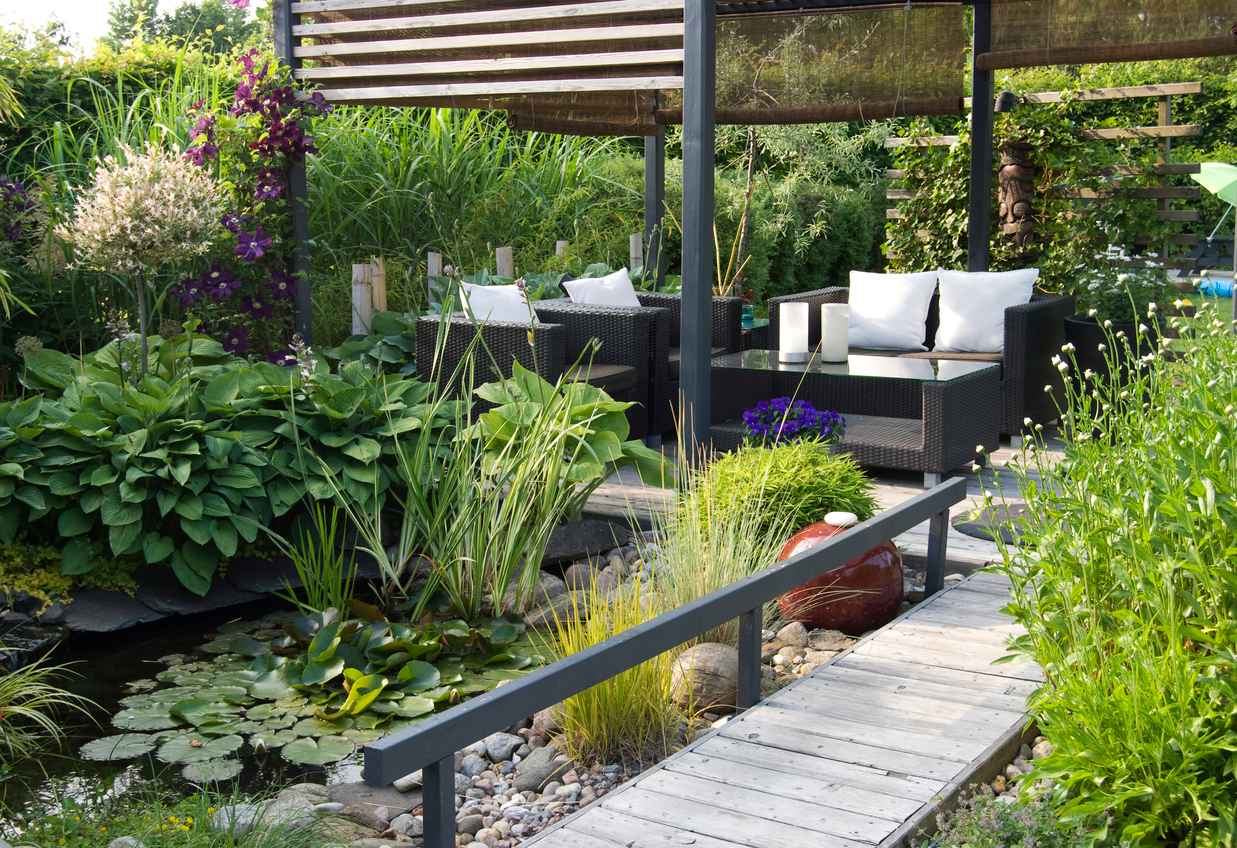
Creating a Relaxed Outdoor Garden is more than arranging plants and furniture; it’s about designing an environment that nurtures tranquility, encourages mindfulness, and invites you to linger. The art of relaxation in a garden relies on careful attention to sensory details, spatial flow, and functional design that blends comfort with natural beauty. Whether your garden is expansive or compact, thoughtful planning can transform it into a sanctuary where stress melts away and moments of serenity flourish.
Defining Zones for Peaceful Living
A key to cultivating a relaxed atmosphere is zoning. Segment your outdoor garden into areas for different activities: quiet reading corners, lounging spaces, dining areas, and spots for contemplative meditation. This delineation helps avoid visual clutter and supports purposeful movement.
Consider using natural dividers like hedges, bamboo screens, or trellises with climbing plants to subtly demarcate zones. Even a change in flooring—wooden decking, stone paths, or gravel beds—signals transitions between spaces while adding texture and character.
Comfortable Seating for Prolonged Relaxation
Seating plays a pivotal role in a tranquil outdoor garden. Opt for ergonomically designed loungers, hammocks, or cushioned benches that encourage extended use.
Layered seating, such as a combination of chairs and floor cushions, provides versatility for solitary moments or social gatherings. Weather-resistant fabrics ensure longevity without sacrificing comfort. Adding throws or lightweight blankets not only enhances coziness but allows adaptation to fluctuating temperatures.
Strategically place seating to take advantage of natural shade and sunlight, balancing warmth with cool retreats. Orientation toward garden focal points, such as a water feature or flowerbed, enhances visual serenity.
Incorporating Natural Sounds
Sound profoundly affects relaxation. Introduce gentle auditory elements like water fountains, wind chimes, or rustling grasses. Flowing water, whether from a small pond or tabletop fountain, masks city noise and creates a meditative backdrop.
Planting ornamental grasses and bamboo contributes soft, natural rustling in the breeze. Audio should never dominate; subtle, continuous sounds are most effective at promoting calm and sustaining attention without distraction.
Lighting for Calm Evenings
Evening hours in an outdoor garden can become deeply relaxing with careful lighting choices. Soft, warm illumination enhances ambiance without overwhelming the senses.
Use string lights draped among trees, lanterns on pathways, or solar-powered stake lights to create gentle guidance through the garden. LED candles or low-level lighting along borders emphasize shapes and textures, offering visual interest while preserving a calm atmosphere.
Avoid harsh overhead lights that flatten the space or disrupt the intimate, secluded feel of relaxation zones.
Sensory Plant Selection
Plants contribute not only visual beauty but also olfactory and tactile experiences. Choose aromatic plants like lavender, rosemary, jasmine, or gardenias to subtly scent the air. Fragrant blooms can evoke calm, encourage deep breathing, and anchor mindfulness practices.
Soft-leafed plants such as lamb’s ear or ornamental grasses invite tactile interaction, adding layers to the sensory experience. Perennials ensure continuity, while seasonal flowers provide dynamic changes that engage attention gently over time.
Pathways that Encourage Meandering
Paths guide movement and subtly influence the pace of exploration. Curved, meandering walkways slow the visitor’s pace, encouraging contemplation and observation.
Material choices affect both functionality and aesthetic. Stone pavers, decomposed granite, or wooden slats can be arranged to create texture and rhythm. Integrate low-level lighting along paths for safety and ambiance during evening hours.
Consider spacing plants along paths to create moments of discovery. Small clusters of flowers, herb beds, or strategically placed sculptures add intrigue without overwhelming the senses.
Water Features for Visual and Auditory Relief
Water features are central to many relaxing gardens. A small pond, bubbling fountain, or reflective basin provides both auditory pleasure and visual calm.
Position water elements where they can be easily seen from seating areas, ensuring maximum engagement. The sight of gently rippling water or floating plants reinforces the garden’s tranquil atmosphere.
For an interactive touch, include koi or small aquatic plants. Watching fish glide through water creates a meditative, slow-paced rhythm that encourages lingering.
Textural and Material Harmony
Materials in a relaxed outdoor garden should complement natural surroundings. Wood, stone, rattan, and natural fibers offer tactile richness and visual cohesion.
Mixing textures—smooth stone with rough bark, soft fabrics with hard surfaces—enhances sensory engagement without overwhelming the eye. Avoid overly synthetic materials that can feel jarring in a natural setting.
Shade and Shelter Considerations
Providing options for shade is crucial for comfort during sunny hours. Pergolas, fabric canopies, or strategically planted trees offer cooling relief while maintaining openness.
Incorporate seating beneath shaded areas to create retreats where one can read, meditate, or simply enjoy the garden’s ambiance. Adjustable umbrellas or retractable awnings allow flexibility according to the sun’s trajectory.
Mindful Color Palettes
Color influences mood. In a relaxed garden, soft, muted tones dominate. Greens, pale blues, lavender, and earth tones induce calm and support restorative experiences.
Accent colors can be used sparingly for points of interest, such as flower clusters or decorative pots. Avoid overly bright or contrasting combinations that stimulate rather than soothe.
Multi-Sensory Engagement
Engaging multiple senses deepens the garden’s relaxing effect. Incorporate fragrant herbs near seating areas, textured plantings along pathways, and subtle water sounds.
Adding elements like a bird feeder attracts wildlife, providing natural entertainment and reinforcing a connection with nature. The interplay of sight, sound, and touch creates a layered environment conducive to relaxation.
Flexible Zones for Solitude and Socializing
A relaxed outdoor garden balances private and social spaces. Create intimate corners with screening plants, low fences, or trellises for solitary contemplation.
Open areas allow light social gatherings without disrupting tranquility. Movable furniture supports versatility, enabling the space to adapt to shifting needs.
Integration of Meditation and Mindfulness Spots
Designate spaces for meditation or yoga. Flat surfaces, cushioned mats, or stone slabs provide functional grounding.
Surround these zones with calming plants, water features, or wind chimes. The combination of visual and auditory stimuli enhances focus while inviting the mind to slow down.
Lighting for Seasonal Variations
Seasonal adaptation ensures comfort year-round. In summer, lightweight fabric canopies diffuse harsh sunlight. In cooler months, fire pits or outdoor heaters extend usability.
Lighting can also adjust to seasonal shifts. Softly glowing lanterns in autumn evenings or twinkling string lights in winter create an intimate, reflective atmosphere.
Furniture Arrangements for Flow
Furniture should facilitate fluid movement and gentle transitions between areas. Avoid overcrowding; spaces should breathe.
Orient seating toward garden focal points, such as flowering beds, water features, or art installations. Maintain clear pathways to reduce stress and encourage wandering.
Layered Planting for Depth and Privacy
Layered planting enhances both privacy and visual interest. Combine tall shrubs with mid-height perennials and low ground covers.
This technique not only adds texture but also creates natural enclosures that support feelings of safety and seclusion, essential components of relaxation.
Aromatherapy Through Garden Design
Plants double as natural aromatherapy agents. Mix scented foliage with colorful flowers for dual impact. Lavender pathways, rosemary borders, and jasmine clusters around seating areas provide consistent, gentle olfactory cues that soothe the mind.
Evening Ambiance
Evening use of the garden requires attention to both lighting and temperature. Low lanterns, solar stake lights, or soft LED strings illuminate key areas without harshness.
Portable heaters, fire pits, or heated cushions maintain comfort while encouraging nighttime relaxation. The combination of warmth and gentle illumination extends usable hours and enhances sensory enjoyment.
Accessibility and Ease of Use
A relaxed outdoor garden must be approachable and low-maintenance. Clear paths, accessible seating, and simple plant care routines reduce stress for both hosts and guests.
Raised beds, container gardens, and drought-resistant plants simplify upkeep. Automated watering systems can further alleviate the burden of maintenance, allowing the garden to thrive effortlessly.
Engaging the Senses Subtly
Avoid overwhelming the senses. Fragrant plants, flowing water, soft fabrics, and gentle sounds should complement each other.
Touch, smell, sight, and hearing all contribute to a holistic experience. Subtlety ensures the garden remains restful rather than overstimulating.
Seasonal Color Rotation
Rotate seasonal flowers and foliage to maintain interest and engagement without disturbing calm. Spring bulbs, summer perennials, autumn foliage, and winter evergreens create visual rhythm and continuity.
Wildlife-Friendly Elements
Encourage small wildlife such as birds, butterflies, and bees. Birdbaths, feeders, and pollinator-friendly flowers attract life that adds dynamic yet soothing activity to the garden.
Watching creatures go about their day fosters mindfulness and reinforces a connection to nature.
Minimalism and Decluttering
Clutter disrupts calm. Keep pathways, seating areas, and garden beds organized. Use storage solutions for tools, cushions, and decorative elements.
Simplicity promotes mental clarity, reinforcing the garden’s role as a restorative environment.
Reflection and Contemplation Spaces
Mirrors, reflective water surfaces, or small sculpture installations encourage contemplation. Placed strategically, these elements create visual depth and prompt introspection.
Final Thoughts
A Relaxed Outdoor Garden is more than a collection of plants and furniture; it is an intentional sanctuary that nurtures the senses and supports mental well-being. Every element—from seating arrangements to soundscapes, lighting, and plant choices—contributes to a harmonious, serene environment.
By thoughtfully designing zones, layering textures, engaging multiple senses, and ensuring comfort throughout the year, an outdoor garden becomes a haven for relaxation, creativity, and mindful enjoyment. It invites everyone who enters to pause, breathe, and reconnect with the natural world around them.
About the Author






