
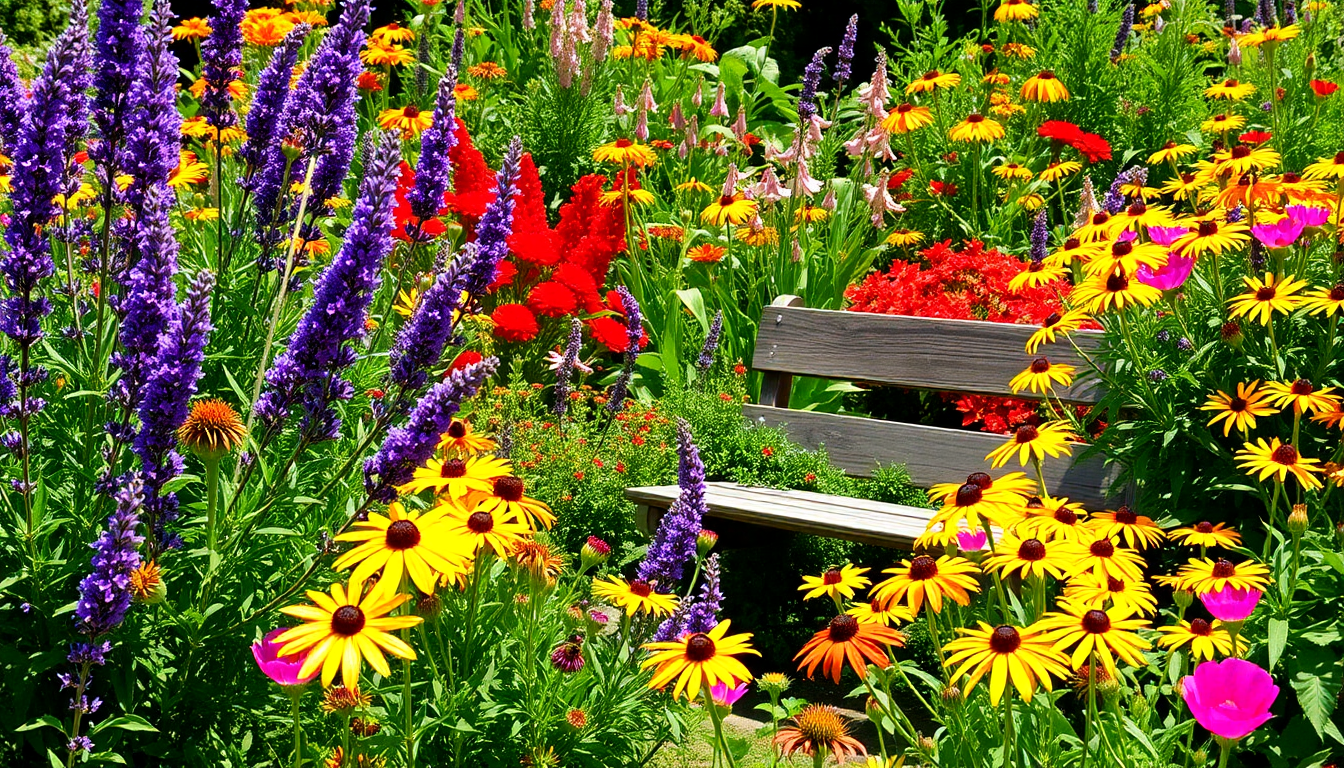
A Beautiful Outdoor Garden thrives not only on structure and design but on the vibrant presence of color. Flowers breathe life into any space, creating rhythm, contrast, and emotion through their hues. Whether sprawling across lush beds or tucked into terracotta pots, the right combination of blossoms transforms an ordinary yard into a masterpiece of nature’s art.
The Power of Color in Outdoor Spaces
Color speaks directly to mood and energy. Bright tones like yellow and red bring liveliness and excitement, while softer shades of lavender, pink, and white introduce serenity and calm. A thoughtful color palette ensures the garden feels intentional rather than chaotic.
When selecting plants, consider the concept of color harmony. Complementary colors, such as purple and yellow, create visual balance, while analogous hues—like orange, red, and pink—evoke warmth and cohesion. The goal is to curate flow, allowing each flower to shine without overpowering its neighbors.
Flowers That Spark Vibrancy
The key to an alluring garden lies in diversity. Layering plants that bloom across different seasons keeps the space dynamic year-round.
Roses: Timeless Elegance
No garden feels complete without roses. Their lush petals and intoxicating fragrance symbolize romance and endurance. Hybrid tea roses, floribundas, and climbing varieties offer endless options. Choose from shades ranging from pale ivory to fiery crimson to craft focal points that draw the eye.
Roses thrive in sunny locations with well-drained soil. Pruning and feeding regularly ensure repeat blooms throughout the year. Their versatility allows them to shine in borders, trellises, or standalone beds.
Marigolds: Sunshine in Bloom
Marigolds embody cheerfulness. Their golden and tangerine hues instantly uplift any outdoor space. Hardy and low-maintenance, they flourish under full sun and require minimal watering once established.
Aside from beauty, marigolds repel pests naturally, protecting surrounding plants. Their scent deters insects, making them both practical and ornamental.
Petunias: Playful Color Waves
Petunias spill color from hanging baskets, window boxes, or garden edges. Their trumpet-shaped blooms appear in every shade imaginable—pastel pinks, deep purples, bright blues, and even multicolored hybrids.
They bloom continuously through warm seasons, offering effortless beauty with minimal care. For dense color coverage, plant them en masse and watch them cascade in a brilliant flow.
Lavender: Soothing and Fragrant
Lavender adds both aroma and elegance. Its purple spikes and silvery foliage provide texture and sophistication. Perfect for borders or pathways, lavender invites pollinators like bees and butterflies, enhancing the ecosystem’s vitality.
Its scent promotes calmness, making it ideal for areas dedicated to relaxation or meditation. Dried lavender can also be used for potpourri or essential oil extraction, extending its usefulness beyond the garden.
Sunflowers: Bold and Joyful Giants
Sunflowers command attention with their towering stems and radiant faces. They represent optimism and warmth, ideal for sunny corners that need visual drama.
Planting them in clusters amplifies their impact, creating a sense of movement as they sway gently in the breeze. Beyond aesthetics, sunflower seeds attract birds and can be harvested for snacks, blending beauty with function.
Hydrangeas: Soft Luxury
Hydrangeas create a lush, romantic atmosphere. Their voluminous clusters shift color depending on soil pH, turning blue in acidic conditions and pink in alkaline ones. This unique trait makes them fascinating additions for gardeners who enjoy experimenting.
They thrive in partial shade and appreciate consistent moisture. Their blossoms complement both modern and cottage-style gardens, blending gracefully with other perennials.
Zinnias: Dazzling Durability
Zinnias are the epitome of resilience and color diversity. From fiery red to lemon yellow to magenta, these sun-loving flowers bloom profusely with minimal effort.
They attract butterflies, contributing to pollination and biodiversity. Their upright stems make them excellent for cut arrangements, ensuring your indoor spaces share in the outdoor charm.
Geraniums: Versatile Charm
Geraniums fit seamlessly into any garden layout. Their rounded leaves and vivid blooms range from coral to crimson to violet. Ideal for pots, balconies, or edging, they add bursts of color without overwhelming the eye.
These plants are forgiving, thriving even in drier conditions, making them perfect for gardeners who prefer low-maintenance beauty.
Dahlias: Dramatic and Sophisticated
Dahlias boast intricate petal formations that command admiration. Available in nearly every hue, their geometric symmetry adds structure and refinement.
They prefer sunny spots with rich, well-drained soil. Regular deadheading prolongs their blooming season, rewarding consistent care with continuous color.
Designing with Flower Layers
A truly captivating garden employs vertical and spatial design. Layering heights and textures ensures visual depth.
- Tall flowers such as sunflowers or delphiniums form the backdrop.
- Mid-height varieties like dahlias or hydrangeas provide body.
- Ground-level plants such as petunias or geraniums tie the composition together.
Mixing perennial and annual flowers maintains year-round interest. Perennials establish foundation, while annuals add spontaneity and freshness each season.
Coordinating with Foliage
Not all color must come from petals. Foliage contributes just as significantly to the aesthetic. Variegated leaves, silver tones, or deep greens highlight surrounding blooms.
Hostas, coleus, and ornamental grasses provide contrast and continuity. The interplay between leaf and flower colors keeps the garden cohesive even when blooms fade.
Creating a Sensory Experience
A garden should appeal to all senses, not just sight. Fragrant blooms like jasmine, honeysuckle, and gardenia perfume the air, enriching evening strolls. The rustle of leaves, chirping of birds, and flutter of butterflies complete the multisensory ambiance.
Flowers such as lavender and chamomile introduce aromatherapeutic benefits. Their calming scents transform outdoor areas into sanctuaries of well-being.
Seasonal Rotation for Continuous Color
To sustain beauty throughout the year, plan for succession blooming. Early spring heralds tulips, daffodils, and pansies. Summer explodes with roses, marigolds, and petunias. Autumn welcomes chrysanthemums and asters, while winter may feature hardy hellebores and cyclamens.
Rotating blooms ensures that color never fades from the landscape. It also prevents monotony, giving each season its own personality.
Planting Strategies for Visual Balance
Spacing and arrangement determine whether a garden feels serene or cluttered. Group flowers in odd numbers for natural asymmetry. Create curved beds that mimic organic lines found in nature.
Balance tall and short plants to avoid visual heaviness. Repetition of color unifies the layout, while contrasting textures keep it lively. A central focal point—such as a large pot, sculpture, or tree—anchors the design.
Integrating Flowers with Hardscape Elements
Flowers shine brighter when complemented by architectural details. Stone pathways, wooden trellises, or wrought-iron benches frame natural beauty and create visual rhythm.
Climbing plants like clematis or climbing roses soften vertical structures, merging human craftsmanship with organic growth. Borders lined with low-growing blooms highlight edges, guiding movement through the space.
The Role of Containers in Garden Design
Containers add versatility and structure. They let gardeners experiment with colors and arrangements without major redesigns. Pots can be repositioned to highlight new focal points or protect delicate plants from harsh weather.
Terracotta pots exude rustic charm, while metal or ceramic containers add sophistication. Grouping pots of varying sizes creates visual hierarchy and interest.
Container gardening also allows better control over soil type and drainage, accommodating plants with specific needs.
Encouraging Pollinators with Flower Choices
An outdoor garden flourishes when it supports ecological balance. Pollinator-friendly flowers such as zinnias, coneflowers, and lavender attract bees and butterflies. Their presence boosts cross-pollination, leading to healthier, more productive blooms.
Including nectar-rich varieties not only sustains pollinators but also enhances the garden’s sense of vitality. Watching butterflies flutter among petals adds movement and joy to the scene.
Water Features and Reflections
Adding a small pond, birdbath, or fountain magnifies the allure of colorful flowers. Reflections amplify hues, creating a mirror-like effect that doubles the beauty. The gentle sound of trickling water soothes the mind, while aquatic plants like water lilies introduce exotic flair.
Flowers planted near water appear more vibrant under natural light, enhancing visual harmony.
Maintenance for Lasting Appeal
Even the most stunning gardens require attention. Regular pruning, deadheading, and weeding maintain neatness and stimulate continuous growth. Fertilize as needed and ensure consistent watering, especially during dry seasons.
Mulching helps retain moisture and suppress weeds, preserving soil health. Routine care turns a vibrant display into a sustainable masterpiece.
Combining Local and Exotic Blooms
Blending native species with imported ones produces a balanced aesthetic. Native plants adapt easily to the environment, demanding less care. Exotic species inject novelty and visual drama.
For instance, pairing local daisies with tropical hibiscus or bougainvillea can create stunning cultural contrasts while ensuring biodiversity. The result is an outdoor space that feels globally inspired yet ecologically grounded.
Evening Beauty: Flowers That Glow After Dusk
As daylight fades, certain flowers come alive under moonlight. White and pale-colored varieties like evening primrose, moonflower, and jasmine reflect light, illuminating the garden naturally.
Combining these blooms with subtle lighting enhances their ethereal glow. Garden lanterns, solar lights, or candles accentuate their delicate shapes, turning night into a sensory spectacle.
Psychological Benefits of Colorful Gardens
Colors profoundly affect mental states. Yellows boost optimism, reds energize, and blues calm the mind. Engaging with nature reduces stress and restores focus. A garden overflowing with color becomes more than visual pleasure—it becomes therapy.
For those seeking mindfulness, tending flowers provides rhythmic, meditative activity. Watching blooms unfurl day by day fosters gratitude and connection to the present.
Garden Layouts that Highlight Color
Different layout philosophies can maximize color impact.
- Cottage-style gardens celebrate abundance and informality, mixing species freely.
- Modern minimalist gardens focus on strategic color pops against neutral hardscapes.
- Formal gardens use symmetry and repetition for structured elegance.
Choose a style that complements your home’s architecture while allowing personal expression.
Sustainable Gardening Practices
Beauty thrives when balanced with responsibility. Use organic fertilizers and natural pest controls to protect soil health. Collect rainwater for irrigation and choose drought-tolerant flowers to conserve resources.
Composting plant waste returns nutrients to the earth, closing the sustainability loop. Eco-friendly gardening ensures that beauty blossoms without harming the planet.
Creating Harmony with Surroundings
A colorful garden should harmonize with its environment. Consider the tone of nearby buildings, fences, or natural landscapes when choosing flower shades. Soft pastels complement stone and wood, while bold colors contrast beautifully against metal or brick.
Integration creates visual unity, making the garden feel like a natural extension of the property.
The Joy of Experimentation
Gardening is an evolving art. Experimenting with new color combinations, planting arrangements, and flower species keeps creativity alive. Some surprises—unexpected blooms or color shifts—become the most delightful features.
Allow flexibility in design. A garden that grows and adapts mirrors the vitality of its caretaker.
A garden rich in color transforms ordinary spaces into living canvases of beauty and emotion. Flowers, in their endless variety, shape the spirit of the outdoors through hue, texture, and fragrance. Every petal, every shade contributes to harmony and life.
With thoughtful selection, mindful design, and consistent care, the garden becomes not just an outdoor space but a sanctuary of joy. The presence of color renews energy, invites wonder, and connects the heart to nature in its purest form.
About the Author






