
Creating an Inviting Outdoor Garden starts with more than plants and flowers. It is about designing a space that draws people in, encourages them to linger, and fosters comfort in every corner. The right furniture transforms a simple garden into a retreat for relaxation, conversation, and connection. Whether you are curating a chic patio, a cozy reading nook, or a full-blown entertaining area, each piece you choose contributes to the atmosphere.
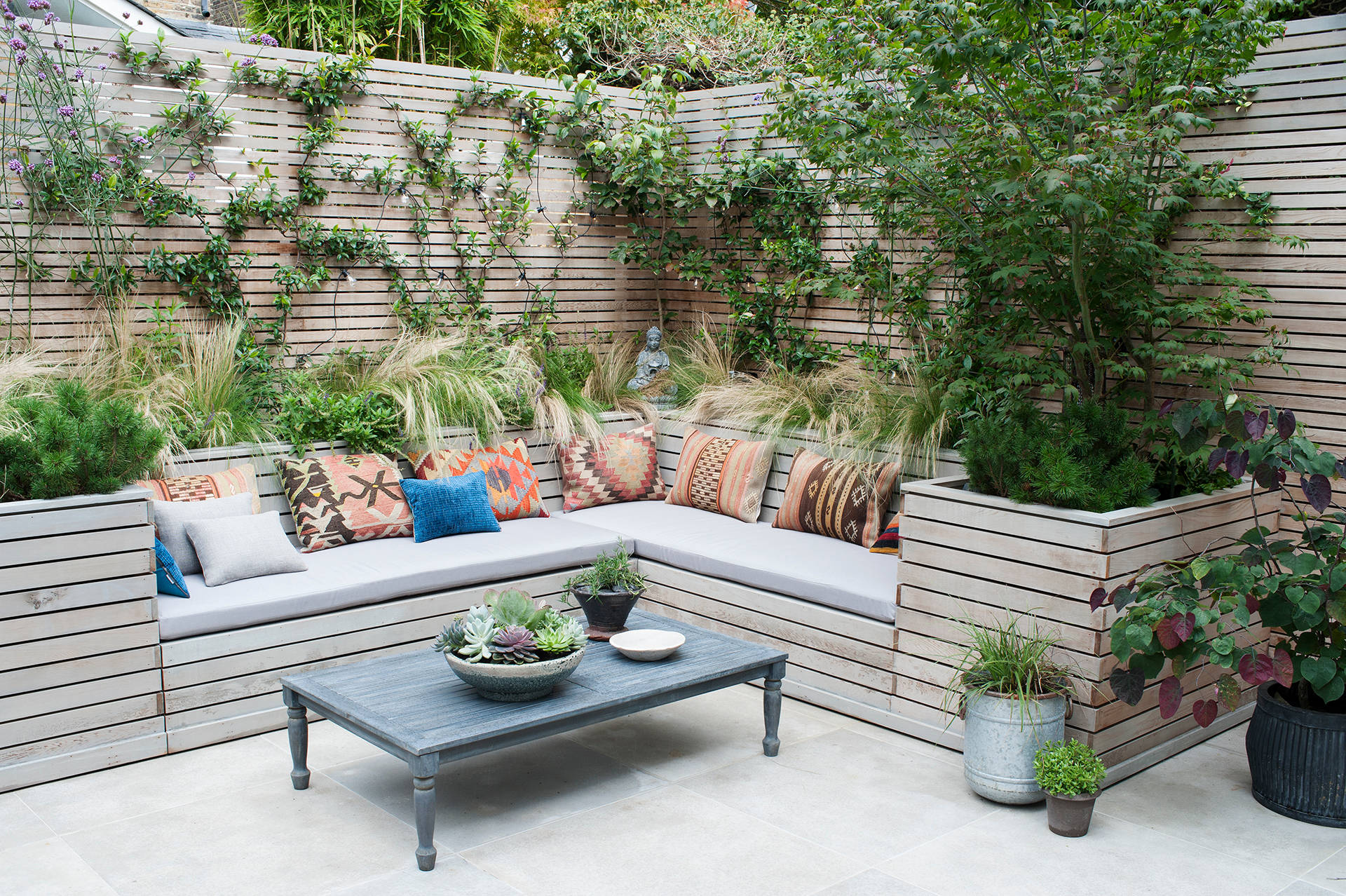
The Art of Outdoor Comfort
Outdoor furniture is more than just a visual element. It represents an invitation—to sit, to unwind, to enjoy life at a slower pace. The perfect balance between functionality and aesthetics ensures that your space feels both comfortable and elegant.
The essence of outdoor comfort begins with material selection. Natural fibers such as rattan and bamboo evoke warmth and a sense of calm. Meanwhile, modern materials like powder-coated metal and weatherproof resin offer sleek durability without compromising on style. The blend of textures and tones creates harmony between nature and design.
Choosing Furniture That Reflects Personality
Every garden tells a story, and the furniture should echo that narrative. Rustic wooden benches bring countryside charm, while minimalist steel pieces lend a contemporary vibe. If your taste leans toward bohemian, think of low-slung seating with colorful cushions and patterned throws.
Mixing styles can be surprisingly cohesive when guided by a unifying color palette. Neutrals anchor the space, while bold accents express individuality. Furniture should never feel forced—it should flow naturally with the garden’s mood and rhythm.
Functionality Meets Form
The best outdoor pieces serve multiple purposes. A bench with built-in storage hides tools or cushions. A dining table with adjustable height doubles as a casual coffee table for morning tea. Modular furniture allows flexibility, adapting to gatherings large or small.
This approach not only maximizes space but also ensures that every piece contributes to ease of use. Gardens are living spaces that change with time, and adaptable furniture ensures they remain functional across seasons and occasions.
Creating Zones Within the Garden
Outdoor spaces feel more welcoming when divided into distinct zones. A dining area, a lounging space, and a quiet reading corner each serve different moods. Visual cues like rugs, lighting, and plant borders subtly define these sections.
Placing a cluster of chairs around a low table encourages conversation. Positioning a hammock or chaise near a shady tree invites solitude. Strategic placement ensures that the garden feels cohesive yet versatile.
Materials That Endure and Impress
Weather resistance is key to maintaining an inviting atmosphere year-round. Teak, eucalyptus, and acacia wood withstand the elements while developing a graceful patina over time. Aluminum and stainless steel resist corrosion and retain their polish even after heavy rain.
Cushions should feature quick-drying foam and UV-resistant fabrics to stay fresh under sunlight. Investing in quality materials means less maintenance and more enjoyment. A well-kept outdoor setup radiates comfort without effort.
Color and Texture in Outdoor Design
Color plays a crucial role in creating emotional warmth. Soft neutrals like beige, taupe, and white reflect light and expand small areas visually. Earthy tones such as terracotta and moss green ground the space in natural calm. For vibrancy, sprinkle in coral, mustard, or deep blue through pillows and accessories.
Textures add tactile richness. Combine woven seats, smooth metal frames, and plush cushions for layered interest. Mixing materials keeps the aesthetic dynamic while maintaining cohesion through repetition of hues or finishes.
Inviting Through Lighting
No matter how stylish the furniture, lighting completes the ambiance. Soft, warm illumination transforms evenings into magical experiences. String lights draped across pergolas mimic starlight, lanterns along pathways create intimacy, and solar-powered lamps blend sustainability with elegance.
Lighting accentuates the textures and shapes of furniture, casting gentle shadows that enhance the garden’s depth. A well-lit seating area encourages guests to stay longer, turning casual evenings into memorable moments.
Sustainability in Outdoor Furnishing
Eco-conscious design elevates both the beauty and ethics of your garden. Sustainable materials like reclaimed wood and recycled plastic offer durability without environmental compromise. Supporting artisans who use traditional craftsmanship also adds character and story to your collection.
A truly inviting space reflects respect for nature. Sustainable choices reduce waste and encourage a deeper connection with the environment—perfect harmony for a garden meant to nurture both people and the planet.
Layering Comfort with Accessories
Accessories bring indoor coziness to the open air. Throws, outdoor rugs, and decorative pillows introduce softness and personality. Choose textiles that complement the garden’s palette but stand up to weather changes.
Outdoor curtains or bamboo screens offer privacy and shade while framing the view beautifully. Small details like ceramic planters, side tables, or woven baskets enhance usability and create a homely atmosphere. Comfort thrives in thoughtful layering.
Timeless Furniture Pieces for Outdoor Bliss
Certain furniture styles never go out of fashion because they balance comfort with enduring design.
Adirondack Chairs
A staple of relaxation, these wide wooden chairs symbolize outdoor serenity. Their angled backs and deep seats encourage lazy afternoons spent reading or chatting.
Bistro Sets
Perfect for balconies or small patios, a two-chair bistro set exudes intimacy. Pair it with potted herbs or trailing flowers for a European café feel.
Daybeds and Loungers
For ultimate luxury, include a cushioned daybed under a pergola. It serves as a napping spot by day and a conversation zone by evening.
Hammocks and Swings
Movement adds playfulness to outdoor settings. Hammocks, egg chairs, and porch swings infuse energy and charm, making the space feel lively yet serene.
Enhancing Flow and Accessibility
Inviting design also means ease of movement. Arrange furniture to encourage natural flow between zones. Avoid overcrowding pathways or blocking sightlines with bulky pieces. Open layouts allow the garden’s beauty to shine through unobstructed.
Opt for lightweight furniture that can be repositioned easily. Rolling carts or foldable chairs add flexibility when entertaining. Accessibility ensures that comfort is effortless, not engineered.
Blending Nature with Design
A seamless connection between furniture and nature defines true outdoor elegance. Let greenery weave into the setup—vines curling around a pergola, planters flanking seating areas, or herbs growing in tabletop pots.
Wood and stone finishes harmonize with surrounding foliage. Even synthetic materials can be chosen to complement natural textures rather than compete with them. The goal is unity, where furniture appears as an organic extension of the garden itself.
Weather-Proof Maintenance
Preserving the inviting nature of your garden requires periodic care. Clean surfaces regularly, store cushions during heavy rain, and reapply protective oils to wooden pieces annually.
Covers shield furniture from debris and moisture, extending longevity. Small maintenance routines prevent deterioration, ensuring your setup remains fresh season after season.
Mixing Modern and Classic Styles
A dynamic outdoor space welcomes contrast. Combine mid-century modern chairs with rustic wooden tables or pair industrial metal stools with woven poufs. The interplay of eras keeps the design interesting.
Balance is key. Let one dominant style anchor the theme while others add nuance. For example, a sleek sofa can be softened with vintage rattan accents. The blend reflects individuality and creative freedom.
Creating a Dining Experience Outdoors
Dining al fresco never loses appeal. A sturdy table under a shade tree or canopy transforms mealtime into celebration. Choose furniture proportionate to the space—round tables promote conversation, while rectangular ones accommodate larger gatherings.
Complement the table with comfortable, weatherproof seating. Add candle holders, linen runners, and tableware that echo natural textures like wood and stone. Every meal becomes an event that connects people through taste and atmosphere.
Inviting with Scent and Sound
Comfort extends beyond touch and sight. Incorporate sensory details like the scent of lavender, jasmine, or rosemary planted near seating areas. Gentle sounds from wind chimes or small water features amplify tranquility.
These sensory layers make guests feel enveloped by the environment, heightening the sense of belonging that defines an inviting garden.
The Role of Personal Touches
Authenticity transforms design into warmth. Display items that reflect your lifestyle—handcrafted pottery, heirloom benches, or a collection of mismatched cushions. Imperfection adds charm and individuality.
A space with personality feels more welcoming because it tells a story. Visitors sense intention and care woven into every detail.
Adapting to Seasons
An inviting garden evolves through the year. In summer, light fabrics and open seating reign. Autumn calls for cozy blankets and muted colors. During winter, use fire pits or heaters to extend outdoor use. Spring brings opportunities to refresh cushions and repaint wooden surfaces.
Adaptation keeps the space alive, ensuring it always feels relevant and ready for enjoyment.
The Emotional Impact of Outdoor Furniture
Furniture influences how people feel and behave. Soft textures encourage relaxation, while upright seating fosters conversation. Rounded edges feel friendlier than sharp lines. Thoughtful choices can subtly guide the mood of gatherings and quiet moments alike.
Ultimately, outdoor furniture is about emotional resonance. It is the invisible host that makes guests feel comfortable, valued, and connected.
Designing for Longevity and Joy
Investing in durable, timeless pieces ensures that your garden continues to invite for years. Quality materials and classic silhouettes resist trends while remaining relevant.
A well-curated space encourages daily use—morning coffee on the patio, afternoon naps in the shade, evening laughter with friends. It becomes a sanctuary woven into the fabric of everyday life.
An inviting garden is not built overnight. It grows with attention, taste, and intention. The right furniture anchors that growth by merging beauty, comfort, and practicality. It transforms outdoor areas into sanctuaries where moments linger and memories bloom.
Every choice—from materials to layout—shapes how the space feels and functions. When designed with care, a garden becomes more than scenery. It becomes an extension of home, reflecting your values, your rhythm, and your joy.
About the Author






