
The Allure of Nature at Home
Transforming your yard into an enchanting escape begins with the magic of Outdoor Garden Retreats. These spaces blend comfort, design, and nature into a harmonious environment that offers peace, renewal, and beauty. Whether you live in a city apartment with a small patio or a home with sprawling land, creating an outdoor sanctuary is about making nature feel intimate. A well-crafted garden retreat becomes an extension of the soul—where stress melts away and the mind resets in the rhythm of rustling leaves and birdsong.
Designing with Intention
The foundation of any retreat-worthy garden lies in intention. Before selecting plants or furniture, visualize how you want the space to feel. Is it a quiet reading nook surrounded by greenery, or a lively area for gatherings under the stars? Defining the mood first helps shape the layout and material choices. Use pathways to guide visitors through the garden, creating natural transitions between lounging zones, plant beds, and water features. Even a small space can feel spacious when designed with flow and purpose.
Blending Comfort with Aesthetics
A true retreat is both beautiful and livable. Blend natural aesthetics with comfort-driven design. Soft outdoor seating, layered cushions, and weather-resistant fabrics create a relaxed ambiance. Mix materials—wood, stone, and metal—to add visual texture. Pergolas or gazebos offer shade and architectural depth, while hanging chairs and hammocks bring a sense of leisure. The goal is to create spaces where one can linger effortlessly, feeling at ease yet inspired.
Planting with Purpose
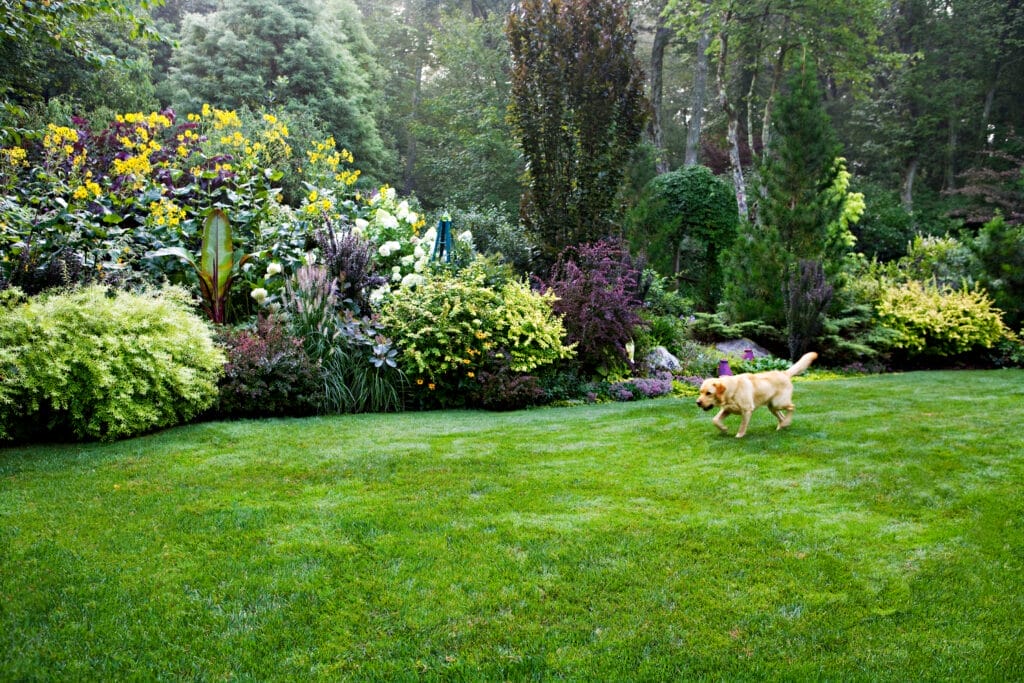
Plants define the heart of any garden retreat. Choose greenery that complements your climate and personal rhythm. Evergreen shrubs provide structure year-round, while flowering perennials introduce changing colors through the seasons. Herbs like lavender, rosemary, and sage not only smell divine but also enhance relaxation with their therapeutic qualities. Consider using native plants to attract pollinators and reduce maintenance. Planting in layers—tall trees at the back, shrubs in the middle, and flowers or ground covers up front—adds a natural sense of progression and depth.
The Serenity of Water Features
Water has always symbolized calm and renewal. Adding a small pond, bubbling fountain, or reflective basin immediately introduces a meditative quality. The soft sound of trickling water masks city noise and draws focus inward. Position your water feature near seating areas where you can enjoy its soothing rhythm. For smaller spaces, tabletop fountains or self-contained pots offer the same effect. Clean and maintain them regularly so that clarity mirrors the tranquility you seek.
Fragrance and Sensory Connection
Fragrance is often overlooked in outdoor design, yet it powerfully enhances emotional well-being. Plant aromatic species such as jasmine, gardenia, or honeysuckle near walkways and entrances. Their scent lingers softly in the air, creating an immersive sensory experience. Combine textures that invite touch—velvety leaves, smooth stones, and soft mosses. The goal of an outdoor retreat is to engage all senses simultaneously so that sight, sound, and scent form a continuous loop of comfort.
Lighting That Transforms
As daylight fades, lighting reshapes the atmosphere of the garden. Strategic illumination enhances mood and extends usability into the evening. Use solar-powered path lights to define walkways and lanterns to accent focal points. String lights across pergolas or trees add a touch of whimsy, while warm-toned bulbs preserve the cozy ambiance. Candles in glass holders or LED flameless versions can create an intimate glow. Avoid bright, harsh lights that disrupt the sense of serenity. The interplay between light and shadow should feel poetic, not theatrical.
Textures That Ground the Space
Texture balances the softness of greenery with tactile richness. Natural stone, aged wood, woven wicker, and terracotta provide authenticity and character. Use gravel pathways for a satisfying crunch underfoot. Incorporate outdoor rugs for warmth and definition. Textural contrast—smooth leaves against rough bark or glossy ceramics beside matte planters—creates visual intrigue. Every surface should contribute to the sensory harmony that defines outdoor garden retreats.
Embracing Privacy and Seclusion
A retreat feels sacred when it offers solitude. Even in urban settings, privacy can be achieved through clever landscaping. Tall hedges, bamboo screens, or climbing vines on trellises create living walls that block noise and frame the space. Pergolas draped with flowing fabric or flowering vines offer both shade and intimacy. The goal is to feel enclosed by nature, not confined by it. Seclusion gives permission to relax fully without distraction.
Using Color Psychology
Color plays a subtle but powerful role in mood creation. Earthy greens and browns ground the spirit, while soft blues and lavenders evoke peace. White flowers add purity and light, reflecting moonlight beautifully at night. If you crave vibrancy, introduce pops of color through cushions or planters instead of overwhelming the natural palette. Balance bright accents with plenty of neutral tones to maintain a sense of calm. Harmony in color is key to sustaining relaxation.
Sustainable Gardening Practices
A magical retreat should also respect the environment. Sustainable choices not only conserve resources but also align with the natural flow of the earth. Composting kitchen waste enriches the soil, while rain barrels collect water for irrigation. Drought-tolerant plants reduce the need for constant watering. Reclaimed materials such as wood or stone lend authenticity and reduce waste. When your garden works with nature instead of against it, it flourishes with effortless grace.
Inviting Wildlife
Welcoming wildlife into your retreat enhances its authenticity and liveliness. Birds, butterflies, and bees bring motion and music. Install bird feeders or nesting boxes in quiet corners. Native plants attract beneficial insects, ensuring pollination and natural pest control. Even small touches like shallow water dishes can turn your yard into a sanctuary for tiny visitors. Observing wildlife encourages mindfulness and reminds you that your outdoor garden is part of a larger ecosystem.
Creating Multifunctional Spaces
An outdoor retreat should serve multiple moods and moments. Divide your space into zones—one for dining, one for meditation, another for gardening. Use natural transitions like stepping stones, low hedges, or pergolas to define each zone. A fire pit area can become a nighttime gathering spot, while a shaded pergola may host morning coffee rituals. Multifunctionality ensures that your garden remains dynamic, evolving with the seasons and your lifestyle.
Integrating Art and Decor
Art infuses personal style into your garden retreat. Sculptures, ceramic pieces, or handmade mosaics reflect your individuality while blending with nature. Choose decor that weathers beautifully—patina on metal, aged wood, and stone acquire character over time. Wind chimes, clay pots, and garden mirrors add both function and flair. Avoid clutter by keeping decor intentional. Every object should enhance the experience, not distract from it.
The Healing Power of Green Spaces
Spending time in green environments is scientifically proven to reduce stress and improve focus. A well-designed outdoor retreat acts as natural therapy. The visual rhythm of plants, the tactile comfort of soil, and the gentle sounds of nature synchronize to lower blood pressure and calm the nervous system. Incorporating meditation areas or yoga decks encourages deeper connection with the body and mind. The more time spent in nature, the more grounded and centered you become.
Creating Flow with Pathways
Pathways serve as both design elements and symbolic journeys. They connect different parts of the garden while encouraging exploration. Use organic shapes rather than rigid lines to maintain a natural feel. Materials like flagstone, gravel, or reclaimed brick offer timeless appeal. Lighting along the path adds safety and elegance. Each turn should reveal a new perspective or feature—a flower bed, water bowl, or seating area—inviting you to linger longer in your retreat.
Outdoor Dining and Social Corners
Nothing strengthens the bond between people and nature like dining outdoors. Incorporate a rustic dining table surrounded by greenery for memorable gatherings. A pergola overhead can frame the space while string lights add evening magic. Small patios can accommodate bistro sets perfect for morning coffee or intimate dinners. Surround the area with fragrant herbs and flowers so that meals feel infused with the garden’s energy. Outdoor cooking stations or grills can also transform the space into an entertaining hub.
Maintenance for Longevity
A retreat’s beauty depends on consistency. Set aside small moments each week for upkeep. Prune overgrown plants, clean pathways, and refresh furniture cushions. Regular watering schedules and seasonal replanting keep the garden looking lush. Minimal intervention is best—nature knows how to balance itself when given care and respect. The less energy spent maintaining it, the more energy remains for enjoying it.
Lighting the Nighttime Soul
Evenings in the garden carry a different kind of magic. The cool air, the scent of night-blooming flowers, and the faint hum of insects set a tranquil mood. Use layered lighting to define depth—soft uplights for trees, low lanterns along paths, and subtle glows near seating areas. Fire pits or small outdoor heaters extend usability through cooler months. The right lighting transforms your retreat into a moonlit sanctuary that beckons calm and reflection.
The Spirit of Connection
An outdoor retreat is not only a space for solitude but also connection—with nature, with loved ones, and with oneself. Hosting small gatherings in a natural setting strengthens relationships and fosters joy. Sharing meals, conversations, or quiet moments surrounded by greenery reminds us of life’s simplest pleasures. The best gardens are not just seen; they are felt.
Every yard holds potential for transformation. By combining thoughtful design, sensory details, and sustainable practices, any space can evolve into a haven of comfort and beauty. Outdoor garden retreats are not luxuries—they are necessities for modern life, offering balance in a fast-paced world. The rustle of leaves, the sparkle of sunlight on water, and the fragrance of blossoms all work together to restore inner peace. With patience, creativity, and care, your outdoor garden becomes more than a landscape. It becomes a sanctuary of magic where nature and soul meet in quiet harmony.
About the Author






