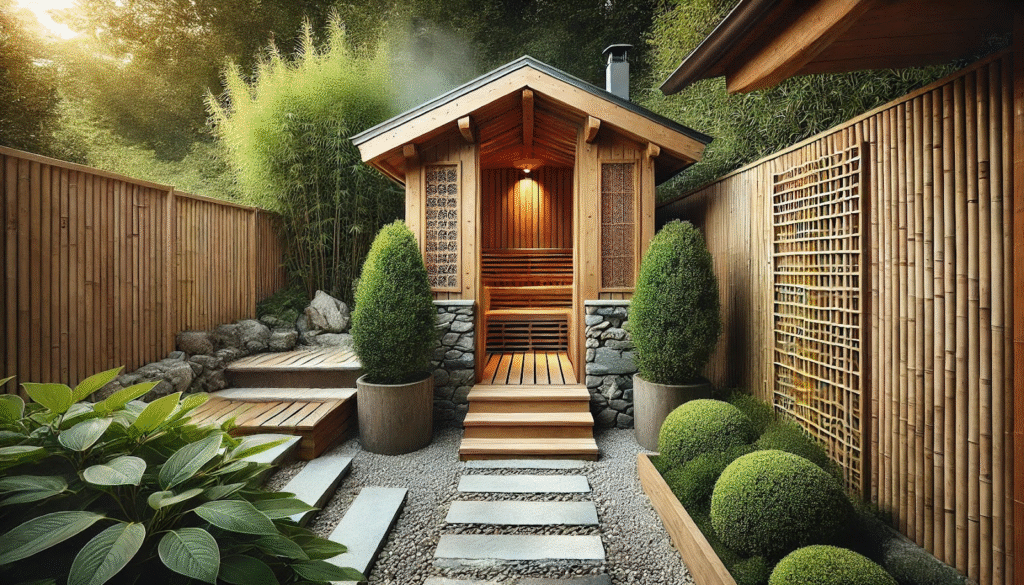
Creating an inviting outdoor haven is a timeless art, one that can transform a simple yard into a captivating retreat. When carefully curated, even the smallest gestures in landscaping or decor can leave lasting impressions. A guest friendly garden serves not just as a backdrop for leisure but as a stage where hospitality and creativity blend seamlessly, offering visitors both comfort and inspiration.

Setting the Tone with Entrances
The first impression begins at the threshold. A beautifully framed garden entrance, whether through an arbor entwined with vines or a simple wooden gate bordered by lavender, immediately establishes mood. Pathways lined with fragrant herbs or low lights guide guests gently, hinting at the charm waiting beyond. Entrances serve as invitations, offering a glimpse of the warmth that lies deeper within.
Seating that Encourages Connection
Comfortable seating plays a pivotal role in guest-oriented design. From wicker chairs with plush cushions to wooden benches shaded by pergolas, furniture choices should balance elegance and functionality. Positioning is key: circle layouts encourage conversation, while secluded corners offer intimacy for quieter exchanges. Blending varied seating styles ensures versatility, allowing gatherings to flow naturally from group banter to private reflection.
Lighting that Extends Enjoyment
When the sun sets, lighting carries the garden into the evening. String lights draped above patios, solar-powered lanterns along walkways, or softly glowing ground lights around trees all contribute to ambiance. Lighting should feel effortless, never harsh, but warm and engaging. It extends the usefulness of outdoor spaces, ensuring guests feel welcome long after twilight.
Culinary Touches Outdoors
Food is a natural magnet for gatherings. A small outdoor kitchen or grill area elevates hospitality by allowing preparation and dining to happen in the same space. Fresh herbs grown in raised beds or potted containers can be harvested during meals, offering both flavor and entertainment. Guests witness the freshness of ingredients, reinforcing the sense of generosity and care woven into the garden.
Fragrance as a Subtle Host
Scent plays a powerful role in shaping memory. Imagine walking through an evening garden with jasmine releasing its perfume or brushing against rosemary that lingers on the skin. Carefully placed aromatic plants become invisible hosts, enriching experiences without requiring attention. Seasonal planning ensures variety: lilacs in spring, roses in summer, and sage or thyme as cooler months arrive.
Water Features for Tranquility
The sound of moving water has universal appeal. A fountain bubbling gently, a birdbath glistening under sunlight, or a small pond populated with lilies introduces both visual and auditory delight. Water features do not need grand scale; even the simplest additions can transform atmosphere. They create natural focal points that invite conversation or moments of quiet reflection.
Playful Elements for Families
Guests often arrive with children, and designing for them adds dimension to hospitality. A sandbox tucked behind shrubs, stepping stones shaped in fun patterns, or even a swing hanging from a sturdy branch entertains younger visitors while adults relax. Playful features harmonized with design prevent disruption of aesthetics while ensuring everyone feels included.
Seasonal Charm That Evolves
One of the joys of gardening is its evolving character. Designing spaces that adapt to seasons enhances interest for repeat visitors. Spring tulips ignite early cheer, summer roses burst with vibrancy, autumn foliage blazes warmly, and winter greenery maintains structure. Guests never encounter the same scene twice, making each visit memorable. Seasonal variation also showcases care, proving that the host invests in their garden year-round.
Creating Focal Points
Guests are naturally drawn to focal areas. These could be sculptural pieces, dramatic planters, or seating arrangements framed by natural arches. A well-chosen focal point not only elevates design but also gives guests conversational cues. These artistic flourishes add personality and sophistication, creating distinctive identities within the garden that linger in memory long after departure.
The Role of Sound Beyond Water
Soundscapes extend far beyond water features. Grasses that rustle in the breeze, bamboo that clacks rhythmically, or wind chimes that sing with shifting air add layers of dimension. Birds drawn by native plants provide spontaneous melodies. These auditory details enliven experiences subtly, reminding guests that gardens are not static displays but living, breathing environments.
Pathways That Invite Exploration
Movement through a garden should feel natural. Stone pavers, gravel paths, or wooden decks offer both utility and charm. Curved pathways spark curiosity, revealing new corners gradually. Straight, formal walks project elegance and structure. A successful layout ensures that guests do not simply see the garden but experience a journey, moving seamlessly from one designed moment to another.
Comfort in Climate Adaptation
Outdoor hospitality must consider weather. Shaded pergolas, umbrellas, or leafy trees offer protection from summer heat. Fire pits or outdoor heaters extend enjoyment into cooler evenings. Incorporating adaptable features demonstrates foresight, ensuring guests feel thought for regardless of climate. The garden becomes a reliable space, not dictated by weather but enhanced by it.
Intimate Corners for Reflection
While large gatherings bring vibrancy, intimacy holds equal value. Creating alcoves with trellised seating or small nooks hidden behind hedges provides quiet sanctuaries. Guests can retreat for private conversation or solitary contemplation. Intimacy within expansiveness gives gardens depth, ensuring spaces accommodate both collective joy and personal stillness.
Infusing Art into Outdoor Living
Artistic expression in outdoor spaces sets gardens apart. Murals on garden walls, handcrafted mosaic tiles along walkways, or sculptures nestled among foliage transform the environment. Art elevates the atmosphere, making the garden not just a gathering space but also a gallery. Guests absorb not only the natural beauty but also human creativity woven seamlessly into design.
Furniture and Fabrics that Welcome
Cushions, rugs, and fabrics selected for durability and style enhance comfort. Bold patterns signal playfulness, while neutral tones project elegance. Fabrics suited for weather longevity prevent wear while maintaining appeal. Guests who sink into plush seating draped in textiles sense attentiveness, as if the garden embraces them directly. These small touches elevate hospitality significantly.
Dining Under the Stars
Few experiences rival dining outdoors. A long wooden table beneath twinkling lights or an intimate bistro set surrounded by roses transforms meals into occasions. Table settings of natural materials, fresh flowers, and ambient lighting amplify impact. Dining al fresco is not just nourishment but theater, a shared ritual of connection under the open sky.
Layering Plants for Depth
Design gains vitality through plant layering. Tall trees establish structure, mid-sized shrubs fill volume, and low groundcovers create cohesion. When combined thoughtfully, depth emerges, adding richness and complexity. Guests instinctively notice this harmony, even if subconsciously, as their eyes move naturally across varied heights and textures. The result feels immersive and dynamic, never flat or monotonous.
Welcoming Guests Across Cultures
Hospitality is universal, but its expressions vary. Integrating cultural design elements, such as Asian-inspired Zen gardens, Mediterranean courtyards, or English cottage styles, brings both uniqueness and inclusivity. Guests recognize the thoughtfulness behind these nods, sparking conversation and appreciation. A garden becomes not just a physical space but also a cultural narrative that honors diversity.
Sustainability as Hospitality
Sustainable practices extend kindness not only to the planet but also to guests. Native plants that require minimal maintenance, composted soil that nurtures growth, and rainwater collection that sustains the environment create a deeper sense of responsibility. Visitors sense authenticity when beauty is rooted in care for the earth, making the garden experience more meaningful.
Lasting Impressions
An outdoor garden designed for hospitality becomes more than decoration. It evolves into a living extension of the home, one that inspires, delights, and comforts. Through thoughtful entrances, layered textures, fragrant blooms, and communal dining, guests feel honored. A carefully designed space radiates warmth and generosity, leaving impressions that endure well beyond a single visit. When a garden inspires and welcomes, it transcends aesthetics, becoming a timeless expression of both beauty and human connection.
About the Author