
When homeowners think about increasing the worth of their property, the first thoughts often drift toward kitchen remodels, bathroom upgrades, or expanded living spaces. Yet, the outdoors holds untapped potential that can transform not just aesthetics but overall value. Through thoughtful landscaping, innovative structures, and creative design choices, boosting garden projects becomes an avenue for both personal enjoyment and financial gain. Gardens, after all, are not merely green patches but curated experiences that speak of lifestyle, wellness, and timeless beauty.
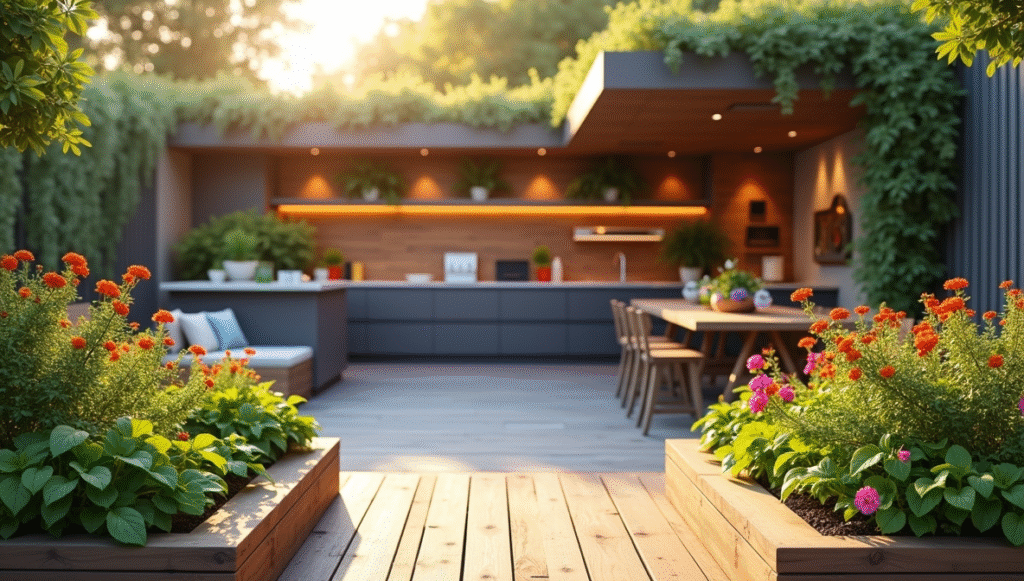
The Tangible Impact on Property Value
Research consistently indicates that a well-maintained garden increases a home’s resale value. Buyers are not only seeking square footage inside but also usable, attractive outdoor environments. A manicured lawn, flourishing flowerbeds, and inviting seating areas create immediate curb appeal. This first impression shapes perceptions before a potential buyer even steps inside the home.
The degree of impact varies depending on design scope and execution quality. A modest garden with functional pathways and colorful borders can provide a noticeable lift, while expansive projects incorporating lighting, water features, and seating areas elevate value considerably. Gardens act as a silent salesperson, whispering charm and desirability with every detail.
Functional Versus Decorative Elements
Balancing function and decoration determines the success of outdoor projects. A pergola with climbing vines is more than beautiful; it provides shade and defines space. Raised vegetable beds encourage sustainability while adding geometric interest. A carefully positioned fire pit doubles as a design centerpiece and a source of warmth for evening gatherings.
Decorative flourishes, such as sculptures, birdbaths, or seasonal flower displays, enhance visual appeal, but when combined with functional aspects, the garden achieves a richer purpose. Function ensures usability, while decoration sustains wonder. Together, they form a persuasive argument for higher valuation.
Outdoor Living Spaces as Lifestyle Extensions
Outdoor areas are increasingly treated as extensions of indoor living. Families desire patios equipped for dining, lounges framed with lush borders, and kitchens that invite al fresco feasting. These spaces elevate the perception of square footage, even without structural expansion.
Adding durable furniture, weather-resistant fabrics, and thoughtful layouts transforms gardens into rooms without walls. This lifestyle-oriented approach appeals to modern buyers who prioritize wellness, community, and experiences over possessions. In real estate terms, it makes a property versatile, adaptable, and memorable.
Water Features that Captivate
Water has long been associated with tranquility and prosperity. Its inclusion in gardens goes beyond aesthetics by shaping ambiance and even microclimates. Small fountains tucked into corners, grand koi ponds with stone edging, or minimalist reflecting pools each carry their own character.
The sound of trickling water masks neighborhood noise and enhances relaxation. Buyers often connect with the serenity such features bring, imagining themselves unwinding after long days. While installation requires careful planning to ensure proportion and maintenance, water features invariably add sophistication and charm, raising both enjoyment and value.
The Power of Lighting
Lighting is among the most transformative tools in garden design. By day, greenery and flowers dominate, but as dusk falls, lighting orchestrates new moods. Uplights emphasize tree canopies, string lights create intimate dining areas, and lanterns scattered along pathways invite exploration.
From a buyer’s perspective, lighting translates into safety, usability, and ambiance. A garden that remains attractive and functional at night effectively doubles its utility. This thoughtful attention to detail suggests a home cared for meticulously, which in turn influences perceived worth.
Planting for Drama and Longevity
The choice and arrangement of plants contribute significantly to the appeal of any outdoor project. Diversity in height, texture, and color creates depth and drama. Tall trees provide structure, shrubs establish rhythm, and perennials maintain seasonal continuity.
Planting with an eye for longevity ensures that the garden matures gracefully, growing more valuable over time. Native species reduce maintenance while supporting biodiversity. Strategic planting near windows, seating areas, and entrances maximizes enjoyment and strengthens curb appeal. Buyers notice these layers of intention, and value them accordingly.
Seating That Encourages Connection
Inviting seating areas transform a yard into a gathering place. Whether it is a rustic wooden bench beneath a flowering tree or a modern sectional arranged around a fire pit, seating communicates hospitality. It conveys that the garden is not merely to be admired but experienced.
From a value perspective, seating areas offer versatility. They serve as intimate retreats for homeowners and as entertainment hubs for guests. Their presence elevates usability, ensuring the garden is not a passive background but an active part of daily living.
The Allure of Seasonal Interest
A garden that changes with the seasons delights repeatedly. Spring brings fresh blossoms, summer bursts with lush abundance, autumn glows with fiery leaves, and winter reveals structure and resilience. This year-round appeal ensures that a property feels dynamic and alive no matter the month.
Incorporating plants that bloom at staggered intervals, along with evergreen anchors, guarantees ongoing charm. Buyers envision themselves enjoying this continual spectacle, and it subtly reassures them that the property will remain attractive and valuable without extensive intervention.
Integrating Sustainability
Sustainable outdoor projects resonate strongly with modern sensibilities. Rainwater harvesting systems, permeable paving, and composting stations align with ecological responsibility. Vegetable gardens and native plantings reduce resource consumption while enriching the environment.
Such features enhance value not just by lowering long-term maintenance costs but also by appealing to environmentally conscious buyers. A garden that reflects sustainability embodies both beauty and responsibility, making the property future-forward in appeal.
Vertical Dimensions and Compact Solutions
Not all properties have sprawling yards. In such cases, vertical creativity expands horizons. Living walls covered with herbs, flowers, or mosses transform blank surfaces into lush canvases. Hanging gardens and trellis systems make even the smallest spaces bloom with vitality.
Compact solutions highlight resourcefulness, which appeals to buyers seeking charm in urban contexts. These features demonstrate that every inch of outdoor space holds potential for beauty and utility, regardless of size.
Entertainment and Social Zones
Entertainment-driven gardens provide a distinct competitive edge. Built-in outdoor kitchens, bar counters, or even simple grills extend hospitality outdoors. Projection screens for movie nights or adaptable furniture layouts transform gardens into social theaters.
These enhancements suggest that the property can host memorable gatherings, instantly appealing to buyers who value lifestyle. Entertainment zones blur the line between home and resort, raising desirability and perceived value.
Fire as a Dramatic Feature
Fire features carry a primal allure. A sleek gas-powered fire pit or a rustic stone fireplace acts as both visual centerpiece and social magnet. They extend garden usability into cooler months and evenings, creating a welcoming glow that contrasts beautifully with night shadows.
For buyers, fire features convey thoughtfulness and indulgence. They suggest that the property supports year-round enjoyment, which translates directly into higher valuation.
Pathways That Tell a Story
Garden pathways do more than connect points. They shape journeys, offering visitors opportunities to pause, reflect, and explore. Curved gravel paths hint at mystery, while straight stone routes emphasize order. Materials, from reclaimed brick to modern composite decking, set stylistic tones.
Pathways enhance accessibility while ensuring safety. At the same time, they guide the eye and frame perspectives, making gardens appear larger and more structured. Such subtle orchestration elevates the experience of the property as a whole.
The Role of Curb Appeal
First impressions are decisive. A neat lawn, flowering borders, and clearly defined entryways welcome visitors before they even step inside. Curb appeal operates as a silent negotiator in property transactions, often tipping the scales in value discussions.
Investing in vibrant front-yard projects not only attracts potential buyers but also reassures them about the overall maintenance of the property. The garden, in this context, becomes a preview of the care invested throughout the home.
Storage and Utility Considerations
While aesthetics drive much of garden value, utility cannot be ignored. Clever storage solutions, like discreet sheds or integrated benches with hidden compartments, enhance practicality. Gardens that balance beauty with efficiency appeal to broader audiences, especially families.
Organized spaces communicate control and ease of living, reinforcing positive impressions of the entire property. These practical touches suggest forethought and readiness for everyday needs.
Psychological Value Beyond Economics
The value of gardens extends beyond financial calculations. They nurture well-being, offering sanctuary from stress and opportunities for creative expression. Lush greenery and vibrant flowers stimulate senses, reduce anxiety, and promote mindfulness.
Buyers instinctively recognize these intangible benefits. Even if they cannot quantify them, they are willing to pay more for properties that promise joy, peace, and vitality. A garden is thus both an investment in the market and in the human spirit.
The Long-Term Perspective
Unlike interior upgrades that often follow trends, outdoor projects can age gracefully. Trees mature, climbing vines envelop structures, and stone paths weather into character. When designed with foresight, gardens accumulate value rather than depreciating.
This long-term trajectory makes outdoor projects unique among home improvements. They are living investments, capable of growing in appeal and financial impact over decades.
Unifying Elements for Cohesion
The success of outdoor projects hinges on cohesion. Each element, whether seating, lighting, or planting, should complement others. Disjointed additions risk clutter and confusion, whereas harmony yields elegance and sophistication.
Professional planning, or at least thoughtful vision, ensures that every feature contributes to a unified narrative. Buyers appreciate this subtle orchestration, perceiving it as evidence of careful curation and investment.
Final Reflections
Outdoor projects hold a rare power to shape both perception and reality. They extend living spaces, enrich daily life, and quietly increase property value. They appeal to reason and emotion alike, drawing buyers with both beauty and function.
By blending creativity, sustainability, and usability, gardens rise beyond decoration into instruments of value. With every tree planted, pathway laid, and water feature installed, a property edges closer to its fullest potential. And in the interplay of design and nature, homeowners find not just increased worth, but enduring delight.
About the Author






