
Gardens are living canvases, reflecting personality, taste, and lifestyle. Some are rustic and wild, while others embrace symmetry and formality. Yet the most captivating designs strike a delicate balance between elegance and practicality. Among the many styles that capture attention, chic garden layouts stand out for their effortless sophistication, adaptability, and timeless appeal. They embody not only visual beauty but also thoughtful organization, creating outdoor sanctuaries where every detail feels intentional.
Defining Chic in Garden Design
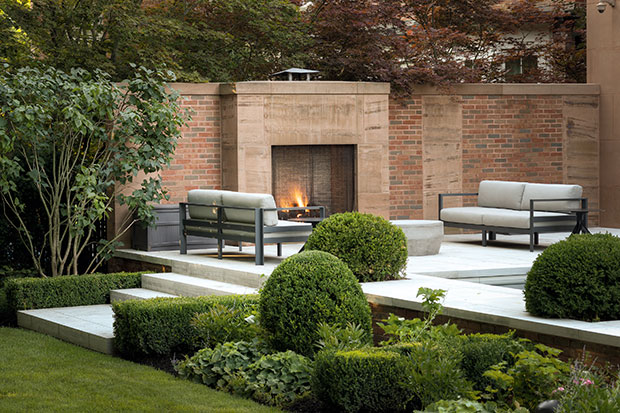
Chic is more than just style; it is refinement without excess, simplicity that still feels rich, and beauty expressed through subtle decisions. In garden layouts, chic means integrating natural and architectural elements in ways that feel harmonious. It does not rely on ornate features but rather on proportion, balance, and flow.
A chic outdoor garden layout is one where pathways guide the eye seamlessly, plants complement one another without overcrowding, and furniture blends functionality with artistry. The entire environment feels cohesive, as though each detail belongs to a larger narrative.
The Importance of Flow
At the heart of any garden layout is flow. It determines how people move through the space and how their attention shifts from one element to another. Flow can be directed through pathways, stepping stones, hedges, or even changes in elevation.
Gentle curves create a sense of mystery, encouraging exploration. Straight, linear paths convey formality and order. The chic solution is often a combination of both, where structure meets subtle fluidity. A garden that flows well feels larger, more welcoming, and more functional.
Symmetry and Asymmetry
Chic design thrives on balance, which can be achieved through either symmetry or asymmetry. Symmetrical gardens, where one side mirrors the other, carry a sense of grandeur. They feel timeless, harking back to classical traditions.
Asymmetry, on the other hand, feels modern and spontaneous. It allows for surprising juxtapositions, like pairing a cluster of wildflowers with a sleek bench. The key is intention. Chic layouts avoid randomness, even when asymmetrical. Every placement feels deliberate, as though crafted to highlight contrast.
The Role of Materials
Materials are silent storytellers in garden design. Stone, wood, metal, and glass each contribute their own textures and atmospheres. Chic gardens often use a restrained palette of materials, repeating them throughout the space to establish continuity.
Natural stone paths paired with wooden seating can evoke warmth and rustic elegance. Smooth concrete borders combined with metal planters suggest contemporary sophistication. The beauty lies in the restraint, allowing materials to enhance one another rather than compete.
Plant Selection with Purpose
Plants form the soul of any garden. In chic layouts, selection leans toward clarity rather than excess. Instead of overwhelming the senses with countless species, chic gardens highlight a curated collection.
Evergreens provide year-round structure, while seasonal flowers punctuate with bursts of color. Ornamental grasses introduce movement, swaying gracefully in the wind. Climbers soften vertical structures, transforming bare walls or trellises into green backdrops.
Each plant plays a role in creating atmosphere. Lavender may line pathways, releasing fragrance as visitors pass. Roses can be trained against arches, blending romance with formality. The chic principle lies in restraint and rhythm, where repetition brings coherence.
Seating and Gathering Spaces
An outdoor garden is not only for viewing but for living. Chic layouts incorporate seating areas that are both functional and stylish. A minimalist wooden bench nestled under a tree offers intimacy. A small café-style table with iron chairs suggests charm and elegance.
Placement matters as much as design. A bench positioned at the end of a path feels like a destination. Chairs arranged near a water feature create a serene gathering point. Chic solutions ensure that furniture complements the landscape rather than overwhelms it.
Lighting as an Accent
Light transforms outdoor spaces after dusk. In chic gardens, lighting is not harsh or overwhelming but subtle and intentional. Pathway lights guide movement gently, while uplighting highlights trees or sculptures. String lights or lanterns add ambiance, softening the night with warm glows.
The art lies in layering. A combination of low ground lights, mid-height lanterns, and overhead fixtures creates depth. Chic layouts ensure that light illuminates key features without drawing attention to the fixtures themselves. The result is atmosphere rather than distraction.
Water Features with Elegance
Water is a classic element in garden design, bringing sound, reflection, and movement. Chic solutions avoid excess, focusing on understated elegance. A small reflecting pool, a narrow rill, or a minimalist fountain can achieve more impact than an oversized installation.
Water features should integrate with the layout, positioned to catch light or framed by plants. They invite pause, encouraging visitors to linger and observe. Chic design treats water as both a focal point and a tranquil companion.
Blending Indoors and Outdoors
A chic garden layout often blurs the boundaries between interior and exterior spaces. Large windows, glass doors, or pergolas create seamless transitions. Outdoor dining areas connected directly to kitchens encourage easy flow between cooking and entertaining.
Plants placed near entrances and exits extend the garden’s presence indoors. Similarly, indoor furniture styled with natural materials echoes the outdoor theme, ensuring cohesion between spaces. The result is continuity, where home and garden feel like parts of one unified environment.
The Value of Minimalism
Chic design often draws from minimalist principles. It prioritizes quality over quantity, focusing on fewer, more meaningful features. Instead of cluttered decorations, a single sculptural planter or a carefully pruned tree may serve as the centerpiece.
Minimalism in garden design does not equate to emptiness. It emphasizes clarity, where negative space is as important as filled areas. This openness allows the garden to breathe, highlighting each element’s presence.
Zoning for Functionality
Every outdoor garden has multiple purposes, from relaxation to dining to play. Chic layouts handle these needs through zoning. Hedges, screens, or subtle shifts in ground level define separate spaces without disrupting overall cohesion.
One zone might house a dining area under a pergola, while another contains a reading nook framed by tall grasses. Children’s play areas can be integrated with natural features like logs or boulders, avoiding the artificial look of bright plastic structures. Chic zoning ensures that each function harmonizes with the whole.
Seasonal Considerations
A chic garden maintains its beauty year-round. While flowers come and go, the backbone of the design remains strong. Evergreen shrubs, structural trees, and well-placed hardscaping ensure that winter feels as stylish as summer.
Seasonal planting then adds dynamic accents. Spring bulbs bring renewal, summer annuals infuse vibrancy, autumn foliage adds drama, and winter berries provide subtle color. This layering of permanence and change gives the garden rhythm.
Personal Expression
Although chic design emphasizes restraint, it still allows personal flair. A beloved statue, a handcrafted planter, or a vintage lantern can inject individuality. The chic principle ensures that these personal touches feel integrated rather than haphazard.
A garden becomes more meaningful when it reflects its owner’s story. Chic layouts balance this expression with cohesion, ensuring the overall design remains polished while still uniquely personal.
The Psychological Impact of Chic Design
Well-designed gardens have profound psychological effects. They foster calm, reduce stress, and encourage connection. Chic layouts, with their clarity and flow, heighten these benefits. They avoid overstimulation, instead offering spaces where the mind can relax and focus.
Walking along a thoughtfully designed path or sitting in a balanced seating area provides subtle reassurance. The order and harmony of the layout reflect inward, encouraging peace and reflection.
Sustainable Choices
Chic does not exclude responsibility. Sustainability is integral to modern garden design. Drought-tolerant plants, permeable paving, and rainwater harvesting systems all support eco-friendly practices. Materials sourced responsibly or repurposed from previous uses align elegance with ethics.
A chic layout demonstrates that style and sustainability are not opposites. They complement each other, creating gardens that look good and do good.
The Versatility of Chic
The beauty of chic design lies in its adaptability. It suits both small courtyards and expansive estates. In compact spaces, chic principles maximize utility without clutter. In larger gardens, they bring cohesion, ensuring that vast areas feel connected.
Urban balconies, suburban backyards, and countryside retreats all benefit from chic solutions. They emphasize refinement without ostentation, ensuring that every outdoor space feels elevated.
Creating Focal Points
A focal point provides direction in any layout. Chic gardens may feature a single tree with sculptural branches, a piece of contemporary art, or a small seating alcove. These focal points guide attention, providing anchors within the design.
The key is subtlety. Chic solutions avoid overwhelming the viewer with multiple competing features. Instead, they let one or two elements take prominence, allowing others to support in quiet harmony.
Embracing Verticality
Corners and walls often go unused, yet they offer valuable opportunities for vertical design. Chic layouts utilize trellises, green walls, and hanging planters to expand possibilities. Vertical gardens not only save space but also add richness, turning blank surfaces into lush tapestries.
Even in larger gardens, verticality introduces variety. A pergola draped with vines or an arbor marking an entrance adds depth and dimension. These features highlight height as much as ground-level detail.
Chic solutions for outdoor garden layouts revolve around balance, restraint, and intentionality. They transform outdoor spaces into sanctuaries where beauty feels natural and elegance never overwhelms. Through thoughtful flow, material choices, plant selection, and functional zoning, gardens achieve both sophistication and usability.
By embracing these principles, homeowners can craft spaces that inspire, relax, and endure. Chic gardens, whether large or small, formal or informal, resonate with timeless charm. They remind us that elegance lies not in excess but in clarity, and that outdoor spaces designed with intention can elevate daily life, offering comfort, style, and serenity in equal measure.
Ultimately, the promise of chic garden layouts is lasting harmony, where design and nature coexist gracefully, and where every detail tells a story of refinement and thoughtful beauty.
About the Author






