
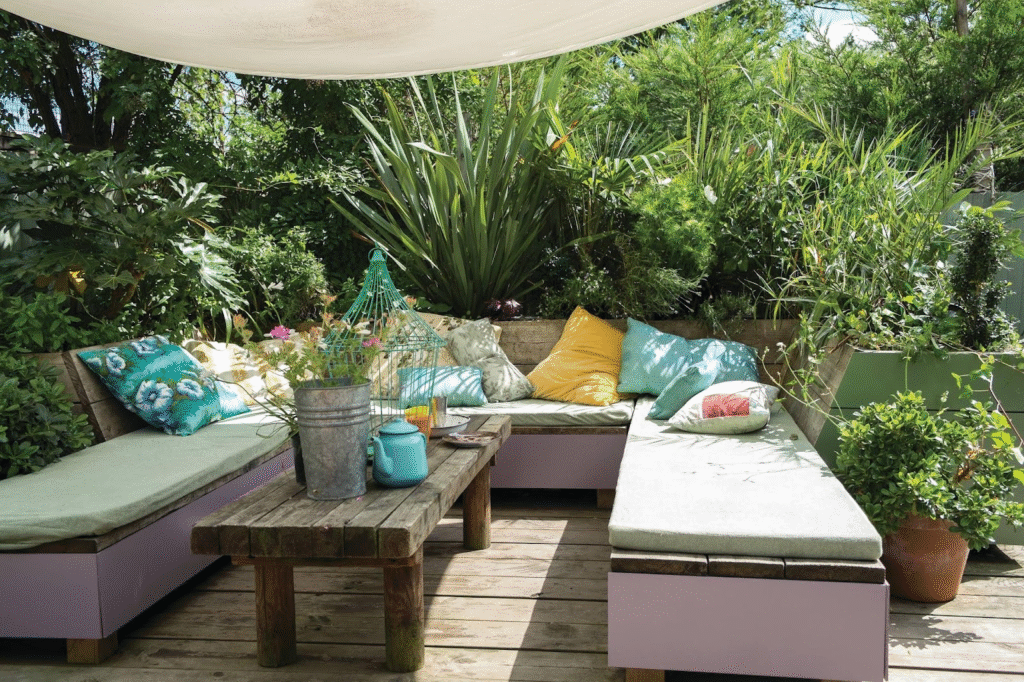
There is something magical about stepping into a garden that instantly feels like an extension of the home. A well-designed outdoor space can become a sanctuary, a place where comfort meets nature, and where seating arrangements transform ordinary corners into havens of leisure. At the heart of this concept lies the beauty of cozy garden seating, which creates both charm and functionality for anyone wishing to spend unhurried hours in a natural setting.
The Role of Seating in Garden Atmosphere
Seating does far more than provide a practical resting spot. It shapes the mood, directs movement, and influences how people interact with the garden. A solitary bench tucked beneath a tree may inspire introspection, while a cluster of armchairs encourages conversation and laughter. The type of furniture, the positioning, and the materials chosen all harmonize to produce an experience that is either invitingly casual or tastefully elegant.
Gardens without seating can feel incomplete, like a room without furniture. By simply adding comfortable places to sit, a garden gains new purpose and becomes an everyday retreat rather than a mere decorative space.
Natural Materials that Enhance Coziness
Wooden benches, stone seats, and wicker armchairs naturally align with outdoor environments. Wood, especially cedar or teak, blends seamlessly into the greenery while offering durability. Stone seating creates an air of permanence and gravitas, making it an ideal choice for formal landscapes. Wicker and rattan, with their woven textures, offer a rustic touch that feels light and approachable.
Textiles can amplify comfort. Cushions in weather-resistant fabrics introduce softness while also allowing bursts of color and personality. Layering with throws or blankets extends usability into cooler months, ensuring that the garden remains welcoming across the seasons.
Placement Strategies for Maximum Effect
Where seating is positioned within a garden is as important as the style itself. Placing chairs in sunlit areas creates an ideal breakfast nook, while shaded corners beneath trellises or pergolas are better for midday reprieve. Near water features, seating captures the soothing acoustics of flowing fountains or ponds, making relaxation almost effortless.
For gardens that serve as spaces for hosting gatherings, circular or semi-circular arrangements of chairs foster inclusion and interaction. For solitary escapes, a single bench with a view of flowers, trees, or a winding path may be all that is needed to create a peaceful hideaway.
Blending Seating with Plant Design
The interplay between plants and furniture is crucial. A well-placed bench surrounded by lavender or jasmine introduces natural fragrance to the sitting experience. Tall grasses swaying in the breeze around low seating evoke a sense of being immersed in nature. Vines climbing arbors overhead can frame seating nooks in living architecture, adding shade and beauty simultaneously.
Seasonal planting can also enhance seating zones. Spring bulbs near a bench ensure the space bursts into color, while autumn foliage creates dramatic backdrops for reading or quiet contemplation.
Multifunctional Furniture for Smaller Gardens
Compact outdoor spaces benefit from clever furniture solutions. Folding chairs, stackable stools, or built-in benches along raised beds maximize space without sacrificing comfort. Storage benches that double as seating and containers for gardening tools can keep small areas tidy while remaining practical.
Convertible furniture, such as daybeds that shift into dining benches, provide adaptability. These multifunctional choices allow even the smallest garden to serve multiple purposes, whether for morning coffee, an afternoon nap, or evening gatherings.
Styles That Define Personality
Every garden has a personality, and seating can reflect that identity. Rustic gardens often feature rough-hewn wooden benches and log stools. Modern minimalist gardens lean toward sleek metal frames and monochromatic cushions. Classic European gardens embrace wrought iron chairs paired with ornate details, while bohemian settings might showcase hammocks, poufs, and eclectic textiles.
Choosing a style is not simply about preference, but about harmonizing with the surrounding garden design. The right seating blends seamlessly, while the wrong choice can feel intrusive or out of place.
Creating Warmth with Lighting and Accessories
As daylight fades, lighting becomes essential to extend garden usability. Lanterns, string lights, and solar-powered lamps can highlight seating areas and encourage nighttime relaxation. Candlelight on a small table adds intimacy and charm, turning an ordinary evening into a memorable experience.
Accessories, from side tables to decorative pillows, contribute to coziness. A well-placed rug designed for outdoor conditions can define the seating zone and create a living-room-like atmosphere under the open sky.
Incorporating Shade for Comfort
Sunlight may be pleasant, but prolonged exposure discourages prolonged sitting. Pergolas, umbrellas, and shade sails offer protection while enhancing the aesthetic of seating arrangements. Natural shade, created by trees or tall hedges, often provides the most harmonious solution. The interplay between sun and shade can be designed intentionally, allowing users to choose according to mood or time of day.
Seating for Social Gatherings
When gardens become venues for entertaining, seating should accommodate groups. Long picnic tables with benches encourage communal dining, while sectional outdoor sofas provide lounging space for guests. Fire pits surrounded by chairs create focal points that naturally draw people together, offering warmth and a convivial atmosphere.
Movable seating allows flexibility. Lightweight chairs can be repositioned to suit group sizes, activities, or changing light conditions. This adaptability ensures that the garden serves diverse needs throughout the year.
Intimate Seating Nooks
Not all seating must be for groups. Creating intimate nooks for solitude adds depth to a garden’s functionality. A hammock tucked into a corner, a swing suspended from a sturdy branch, or a single Adirondack chair overlooking flowers provides quiet sanctuaries. These spaces are perfect for reading, meditating, or simply pausing to breathe in fresh air.
Privacy can be reinforced with screens, tall plantings, or trellises. These subtle boundaries transform small areas into private sanctuaries without isolating them from the overall design.
Seasonal Adaptations for Comfort
Weather conditions influence how often outdoor seating can be used. Cushions with removable, washable covers make it easy to refresh after spring rains. For colder seasons, heat lamps or blankets ensure continued enjoyment. Lightweight furniture that can be moved or stored during extreme weather increases longevity while maintaining functionality.
In autumn, arranging chairs near a fire bowl creates warmth and ambiance. In spring, seating surrounded by blossoming plants becomes an uplifting destination. Thoughtful adaptations guarantee the garden remains inviting all year long.
Sustainable Choices in Furniture
Eco-conscious design is increasingly important. Furniture made from reclaimed wood, recycled metals, or ethically sourced rattan offers sustainable options without sacrificing beauty. Durable materials ensure longevity, reducing waste and contributing to an environmentally responsible garden.
Natural finishes and biodegradable textiles add authenticity, while choosing local artisans over mass production supports communities and reduces transportation impacts. Sustainable choices resonate with the ethos of gardens, aligning human comfort with respect for the environment.
Creating Flow with Paths and Seating Zones
Paths leading to seating areas encourage exploration. Gravel walkways winding toward a secluded bench invite curiosity, while stone steps leading to a patio of chairs offer structure. The relationship between movement and rest is central to garden enjoyment. By designing flow intentionally, visitors are subtly guided to pause, rest, and appreciate the surroundings.
Zoning the garden with distinct seating spots, such as a sunny breakfast corner, a shaded afternoon lounge, and a fire-lit evening area, adds variety. Each zone becomes an experience, making the garden feel larger and more dynamic.
Balancing Formality and Casual Comfort
The choice between formal and casual seating reflects the overall vision of the garden. Formal gardens may suit symmetrical benches placed strategically, offering elegance and structure. Casual gardens thrive with mismatched chairs, colorful hammocks, and relaxed arrangements that embrace spontaneity.
Blending the two can yield unique charm. A formal layout softened by plush cushions or a rustic bench styled with refined accessories creates balance and interest.
Designing for Longevity and Maintenance
Comfort must be balanced with practicality. Durable fabrics resistant to UV rays and moisture extend the lifespan of cushions. Furniture with removable covers simplifies cleaning, while materials like teak naturally resist weathering. Regular maintenance, from oiling wood to covering furniture in harsh conditions, preserves appearance and usability.
Low-maintenance choices ensure seating remains inviting without requiring constant attention. This practicality allows the garden to be enjoyed rather than becoming a source of chores.
The Emotional Impact of Garden Seating
Beyond aesthetics and functionality, seating influences emotions. The simple act of sitting in a comfortable chair, surrounded by greenery, can reduce stress and enhance well-being. Gardens designed with thoughtful seating foster joy, connection, and tranquility.
They become stages for life’s moments: morning coffee with birdsong, afternoon tea with friends, evening conversations under starlight. Each seat tells a story and holds memories that enrich the garden’s meaning over time.
Seating in outdoor gardens is far more than an accessory. It is a central element that defines comfort, guides experience, and brings people closer to nature. Whether through rustic benches, modern lounges, or intimate swings, the choices made transform a patch of green into a welcoming sanctuary. By blending style, placement, sustainability, and comfort, any garden can achieve harmony between beauty and usability.
The essence of cozy garden seating lies in its ability to create warmth and intimacy. It invites people to pause, to linger, and to cherish the moments spent outdoors. With thoughtful design, every chair or bench becomes not just a piece of furniture, but a gateway to relaxation, connection, and joy.
About the Author






