
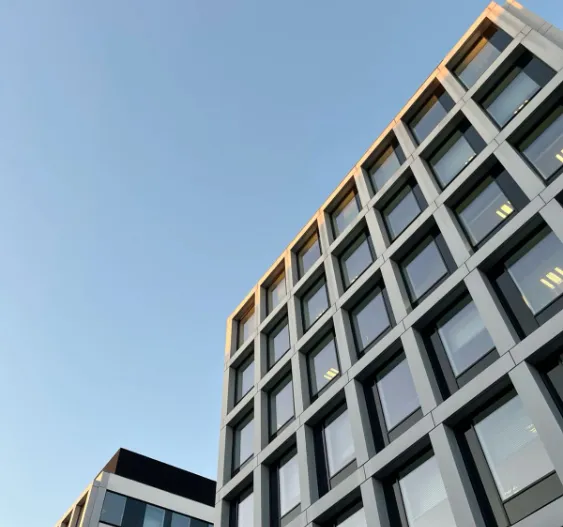
In the case of Lucerne Grand, the distance between the walls is not excessive and is just right in all units. Certain layouts are more convenient to move around the furniture, whereas some are a little bit tight. These are not necessarily noticeable on the initial visits. These spacing details are important in Island Residences since it determines the way rooms are utilised on a daily basis. Before making a decision, it is sometimes good to measure beforehand so as to avoid subsequent changes that are inconvenient.
Placement of doors and how they influence movement patterns
The location of the doors is mostly practical in Lucerne Grand, but some of the layouts might restrict the space of some of the furniture. Doors have directions which facilitate the basic movement; however, not always flexible to every setup. Walking paths remain simple, which helps during daily routines. In Island Residences, these small positioning choices become noticeable after moving in. It is something that seems minor at first but becomes part of a daily habit later.
Lighting shifts across the day, and what that means indoors
Lighting inside Lucerne Grand changes depending on the unit direction and the surrounding buildings. Some rooms receive consistent daylight, while others may feel dim during certain hours. This affects not just brightness but also overall indoor comfort. In Island Residences, managing light becomes part of regular living, especially in a tropical environment. Observing units at different times gives a more accurate sense of these changes.
Shared features that remain useful after initial interest fades
Lucerne Grand facilities are not too complicated, and in most cases, they may be easily used on a regular basis. Basic spaces, such as seating corners and walkways, are areas that will be active as time goes by. Larger facilities may look appealing, but are not always part of daily routines. In Island Residences, practical shared spaces continue to hold value because they support everyday use. Maintenance also plays a role in keeping these areas comfortable.
Surrounding area influence on everyday convenience levels
The Lucerne Grand environment offers amenities like transportation of daily needs without having to travel long distances. Transport, food choices and rudimentary services are usually affordable to locals. During peak periods, traffic movement can change slightly due to traffic variations and thus timing. In Island Residences, accessibility and a serene environment create convenience in the long run. Trying to visit on various occasions assists in the development of a more explicit knowledge about the place.
Cost factors that extend beyond the initial investment
When looking at Lucerne Grand, the total costs are not only the purchase price, but also the initial cost. Maintenance and utilities, and any interior improvements, inflate spending. The main consideration of other consumers is the starting price and not these recurrent costs. In Island Residences, long-term planning involves the management of these factors. The development of something that is similar can be compared with similar developments that occur nearby to create a more realistic expectation.
Multiple visits reveal details that single tours often miss
Visiting Lucerne Grand more than once usually brings out details that are not clear during the first viewing. The level of light, airflow and noise varies during the day, providing a clearer insight into comfort. These are some of the aspects that impact everyday life. Repeat visits are used in Island Residences, meaning that the space is checked against practical needs. Taking time to be careful will minimise the possibility of missing important information.
Conclusion
The assessment of Lucerne Grand should be made on the basis of practical details rather than based on first impressions. In Island Residences, the long-term comfort is determined by the usability of layouts, environment and the quality of maintenance that remains unchanged. Small factors like lighting, airflow, and shared space functionality often become more important after regular use begins. Buyers should compare options, revisit properties, and review all aspects with attention before making decisions. Move forward with clarity and take the next step toward a well-informed property choice.
About the Author




